Egypt Nile Cruise Guide: Routes, Ships and What to Expect
How a Nile cruise works, which route and length to choose, what is included, life on board and how to pick between a cruise ship and a dahabiya.
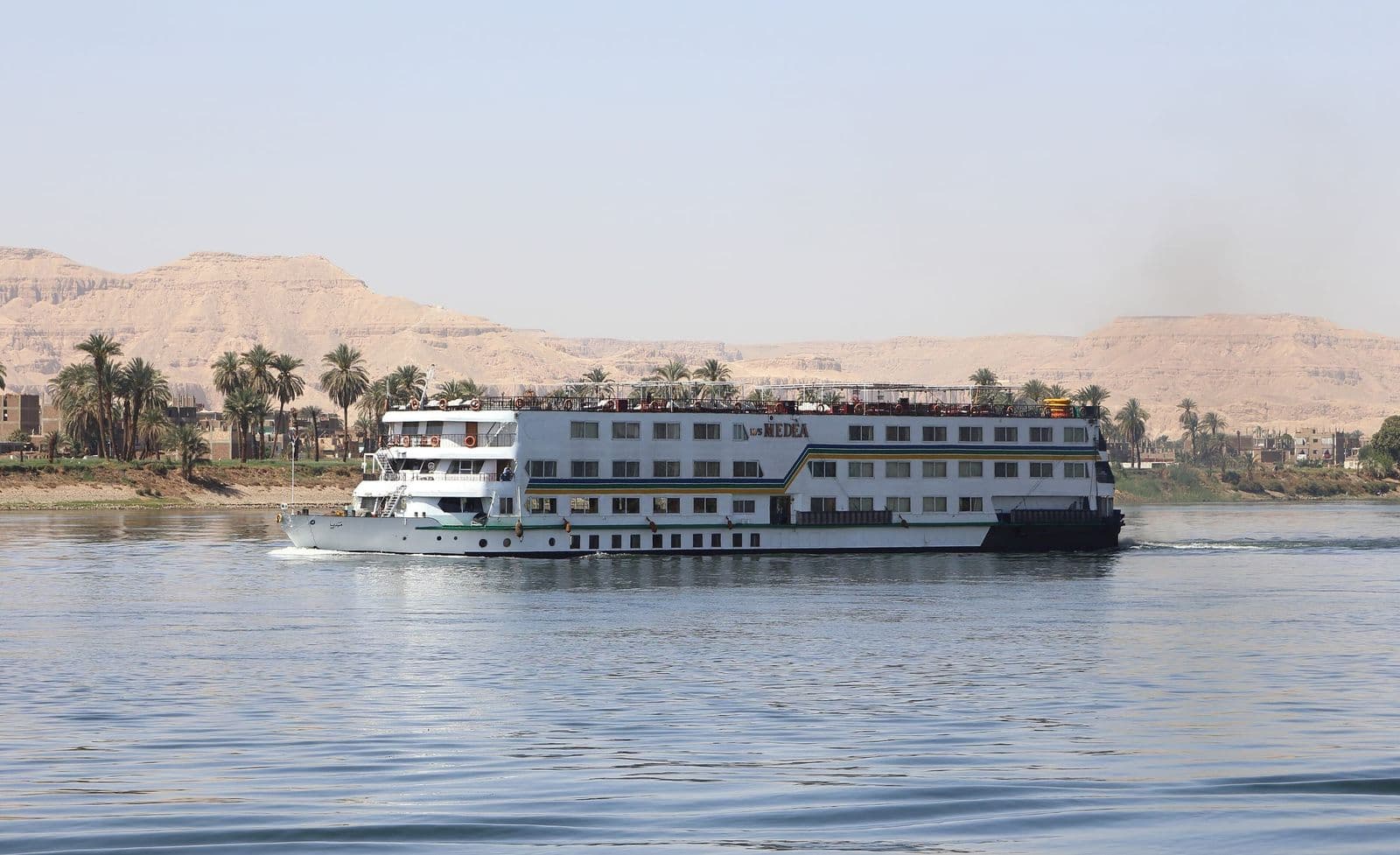
A Nile cruise is the classic way to see Upper Egypt. You unpack once, wake up to a new view each morning and step off the boat straight into some of the greatest temples in the world. For many travelers, the hours on deck, watching palm groves, villages and farmers slip by, are as memorable as the monuments.
The main routes
Almost all Nile cruises sail between Luxor and Aswan, a stretch of about 200 kilometres. Along the way, ships stop at Esna, Edfu and Kom Ombo.
- Luxor to Aswan, 4 nights: the most popular choice. You usually see Luxor's East and West Banks at the start, then sail south with stops at Edfu and Kom Ombo, finishing in Aswan.
- Aswan to Luxor, 3 nights: the same temples in one night less, sailing with the current.
- A full week, 7 nights: a slower journey that covers the whole river between Luxor and Aswan, ideal if you love life on the water. See our 7-night Nile cruise.
- Lake Nasser: a separate, quieter cruise between Aswan and Abu Simbel, passing remote Nubian temples. See the Lake Nasser cruise.
Which length should you choose?
If you have a week or more in Egypt, the 4-night Luxor to Aswan cruise gives the best balance. If your time is shorter, 3 nights from Aswan works well. If you want to slow right down, the 7-night cruise or a dahabiya sailing is the most relaxing.
A typical day on board
Most days follow a gentle rhythm:
- An early breakfast, then a guided temple visit while it is still cool.
- Back on board for lunch as the ship sails on.
- An afternoon on the sun deck, with tea and the riverbanks drifting by.
- Sometimes a late-afternoon visit, such as Kom Ombo at sunset.
- Dinner on board, often followed by an evening programme.
Sailing times depend on the river and on the locks at Esna, so the exact schedule varies. Your guide will give you each day's plan the evening before.
What is usually included
Every cruise we sell lists its inclusions clearly on its page. Typically, you can expect:
- Full board on the ship (breakfast, lunch and dinner).
- Guided visits to the main temples on the route with an Egyptologist.
- Entrance tickets to those sites.
- Transfers between the ship and the sites.
Drinks, tips, optional excursions such as the Luxor hot air balloon or Abu Simbel, and personal extras are usually not included. Check the inclusions on each cruise page before you book.
Cabins and ship levels
Nile cruise ships are long and low, with three to five decks, a sun deck with a pool, a restaurant and a lounge. All cabins have windows and private bathrooms. The main differences between levels are cabin size, the quality of the food and service, and how quiet and spacious the public areas are. We offer 5-star standard, deluxe and luxury options.
If you prefer to be on a lower deck for easier access, or need a cabin near the lift, tell us when you book.
Cruise ship or dahabiya?
A dahabiya is a traditional sailing boat with a handful of cabins. It moves more slowly, stops at quieter places the big ships cannot reach, and feels like a private yacht. Cruise ships offer more facilities and more departures. Our detailed comparison, Nile Cruise Ship vs. Dahabiya, will help you decide. To try one, see our luxury dahabiya.
Adding a cruise to your trip
Most travelers combine a cruise with two or three nights in Cairo, flying to Luxor or Aswan to board. Our Classic Cairo & Nile Cruise and Cairo, Nile Cruise & Abu Simbel packages include flights, transfers, guides and the cruise in one private plan.
Tips for a great cruise
- Book early for the winter season and holidays; the best cabins go first.
- Bring a light jacket for cool evenings on deck from December to February.
- Pack a hat, sunscreen and comfortable shoes for temple visits.
- Keep some small notes for tips; our tipping guide explains what is customary on board.
- Spend at least one afternoon on the sun deck with no plans at all.
When to cruise
Nile cruises run all year. The cooler months from October to April are the most popular, with warm days that are comfortable for temple visits and cool evenings on deck. Summer is hot, but cruise schedules then start very early to avoid the midday heat, ships are quieter and the sun deck pool comes into its own. Christmas, New Year and Easter are the busiest periods, so book well ahead for those dates. Our month-by-month guide explains the seasons.
Evenings on board
After dinner, many ships offer a gentle evening programme. You might see a performance of Nubian music and dance, a whirling dervish show, or a themed evening where guests are invited to wear a galabeya, the traditional long robe. Some evenings are simply quiet, with a drink on the sun deck under the stars. It is a sociable time if you would like to meet other travelers, and easy to skip if you prefer an early night before the next morning's visits.
Optional extras along the way
A few excursions are not part of the standard cruise programme but are worth considering:
- A sunrise hot air balloon over Luxor's West Bank; see the Luxor balloon flight.
- Abu Simbel from Aswan, by road or by air.
- A felucca sail around the islands in Aswan.
- A Nubian village visit, often combined with the felucca.
- Dendera and Abydos, two magnificent temples north of Luxor.
Your planner can add any of these to your trip in advance, so you know exactly what is included before you go.
Embarking and disembarking
On a private trip, you are met at the airport or station and driven to your ship, where your guide helps you check in. On the last morning, after breakfast, your guide and driver take you to the airport or to your next hotel. Check-in on board is usually around lunchtime and check-out after breakfast, so a flight in the morning on boarding day or later on the departure day works best.
Cruise or hotels: a quick comparison
- Choose a cruise if you want to unpack once, enjoy river views and have temple visits arranged along the way.
- Choose hotels if you prefer more space, more freedom over timing and a longer stay in Luxor or Aswan.
- Choose a dahabiya if you want a small, quiet boat and a slower, more intimate journey.
There is no wrong answer. Many travelers combine a short cruise with a hotel night or two at either end.
Accessibility on board
Ships have stairs between decks and gangways that can be steep at some landings, especially when several ships moor side by side and you walk through them. Some ships have lifts. If mobility is a concern, tell us before booking and we will suggest the ship and route that suit you best.
Ready to sail? Browse our Nile cruises or ask a planner to match you with the right ship.
Questions travelers ask
Should I cruise from Luxor to Aswan or Aswan to Luxor?
Both see the same temples. Luxor to Aswan is usually 4 nights and slower; Aswan to Luxor is usually 3 nights. Choose the one that fits your flights and how much time you have.
Are sightseeing and guides included on a Nile cruise?
On our cruises the main temple visits are included with an Egyptologist guide. Each cruise page lists exactly what is and is not included.
Do I need to dress up for dinner on board?
Dress is relaxed and smart-casual. Some ships hold a themed evening, such as an Egyptian night, where traditional dress is welcome but never required.
Trips that fit this guide
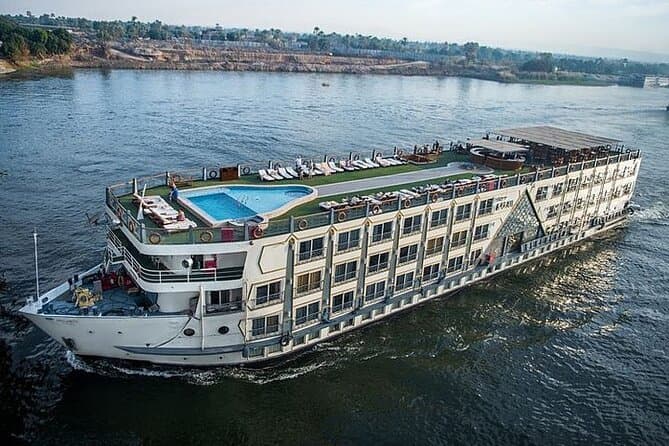 5 Days / 4 Nights · Nile cruise
5-Star Deluxe Nile Cruise from Luxor to Aswan – 5 Days / 4 Nights
From $900 per person
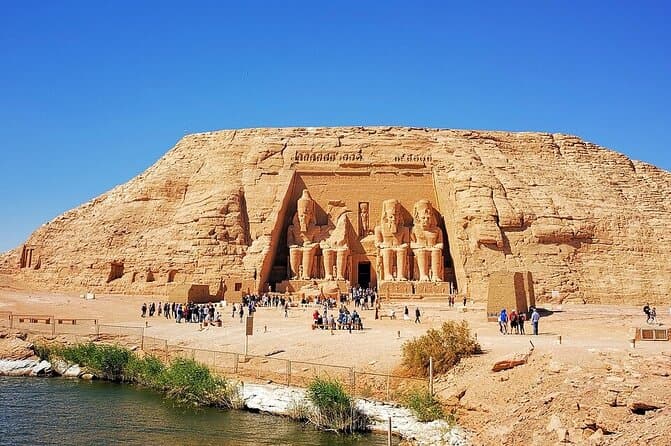 4 Days / 3 Nights · Nile cruise
5-Star Luxury Nile Cruise from Aswan to Luxor – 4 Days / 3 Nights
From $850 per person
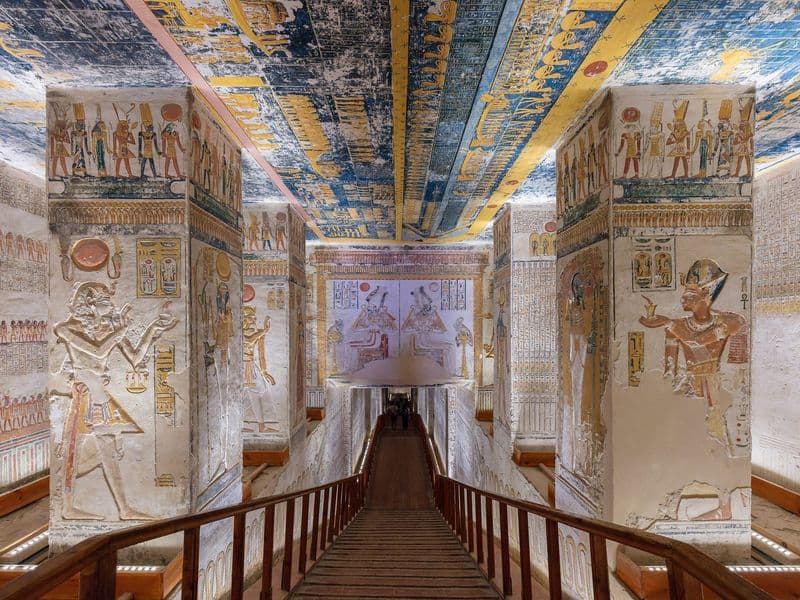 5 Nights / 6 Days · Nile cruise
6-Day Luxury Dahabiya Cruise from Aswan to Luxor
From $1,750 per person
Want this planned for you?
Tell us your dates and what you love. We are available 24/7.