What to Pack for a Trip to Egypt: A Practical Checklist
A season-by-season packing list for temples, cruises, desert and beach, with the small items travelers most often wish they had brought.
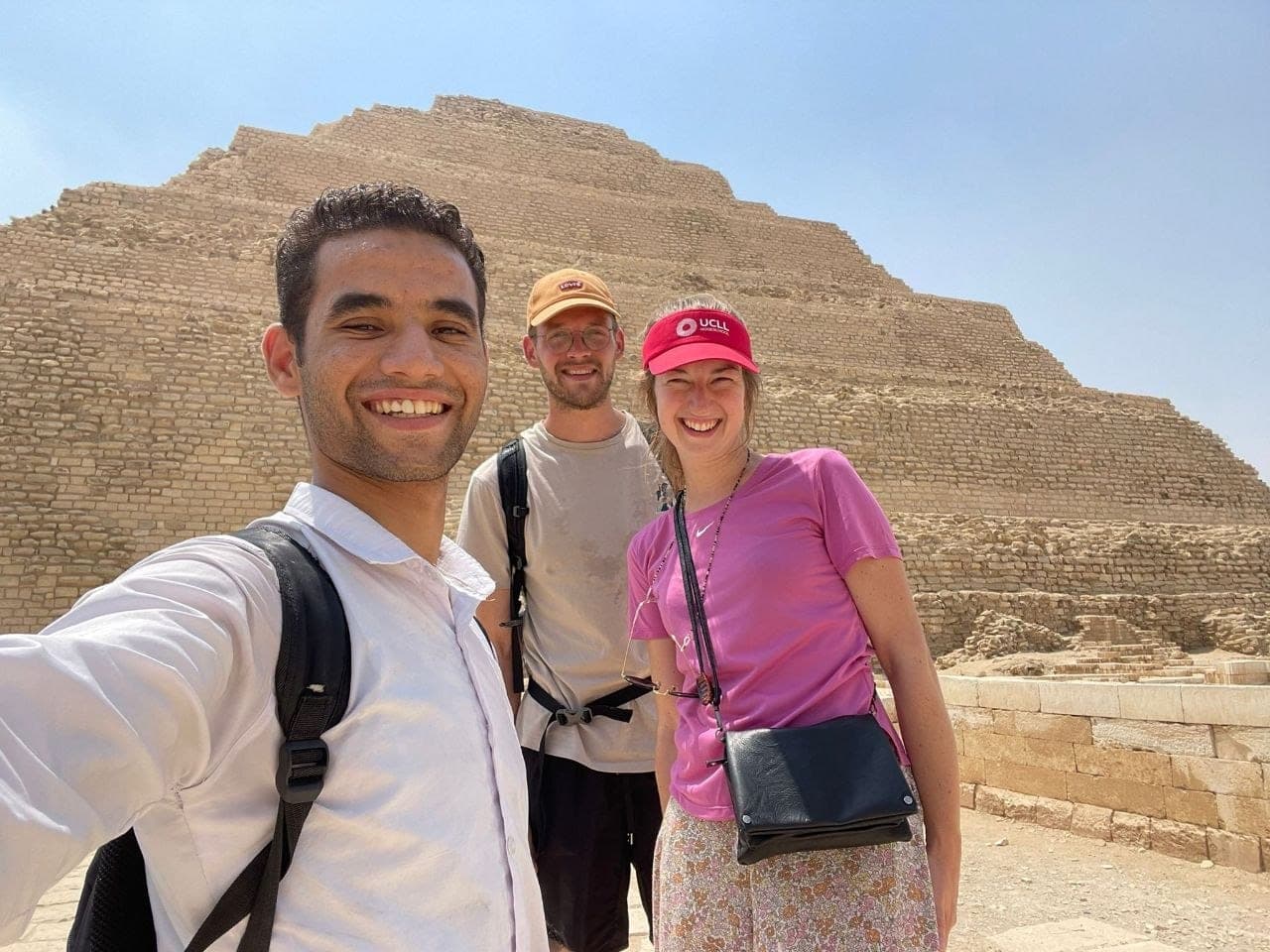
Packing for Egypt is simpler than it looks. Most of your days will be spent visiting sites in the sun, relaxing on a cruise or in a hotel, and perhaps finishing on a beach. The key is light, modest, breathable clothing, good shoes and serious sun protection. This checklist is based on the questions our travelers ask most, and the small items they tell us they were glad to have.
For how to dress at mosques, churches, temples and on the beach, read our companion guide, What to Wear in Egypt.
Documents and money
- Passport valid for at least six months after arrival, plus a photocopy kept separately.
- Visa, or the documents to get one on arrival; see our visa guide.
- Travel insurance details, including the emergency phone number.
- Printed or saved copies of flights and your trip plan.
- A credit card and a debit card, kept in different places.
- Some cash in small notes for tips; our money guide explains cash, cards and ATMs.
Clothes for sightseeing
Egypt is a conservative country, and covering shoulders and knees is respectful everywhere and required at religious sites. It also protects you from the sun.
- Loose, breathable trousers or long skirts in cotton or linen.
- Lightweight long-sleeved shirts and short-sleeved tops.
- A light scarf or shawl, useful for mosques, sun and air conditioning.
- A wide-brimmed hat.
- Underwear and socks that dry quickly.
For cool mornings and evenings
Even in a hot country, nights can be cool, especially from December to February and in the desert.
- A fleece, light jumper or soft jacket.
- A light waterproof or windproof layer for early balloon rides, felucca sails or a breezy cruise deck.
- For desert camping, a warm layer and a hat for the night; the temperature drops quickly after sunset.
Shoes
- Comfortable, broken-in closed walking shoes with good grip. Temple floors are uneven stone and sand, and some tombs have steps and ramps.
- Sandals or slip-ons for the hotel, ship and beach.
- Water shoes if you plan to snorkel from a reef beach on the Red Sea.
Sun protection
The sun is strong all year, and stronger than many visitors expect even in winter.
- High-factor sunscreen and lip balm with SPF.
- Good sunglasses.
- A refillable water bottle; you will drink bottled water, and a bottle that keeps it cool is a treat.
- After-sun lotion.
Health and comfort
- Any prescription medicines, in original packaging, with enough for the whole trip plus a few extra days.
- A simple first-aid kit: plasters, blister pads, pain relief and antiseptic wipes.
- Medicines for an upset stomach and rehydration salts, just in case.
- Hand sanitiser and a small pack of tissues; not every toilet will have paper.
- Insect repellent for evenings by the river.
- Your usual travel-sickness remedy if you are sensitive on boats or winding roads.
If you have any health or mobility questions, tell your planner before you travel so we can plan routes and pacing around you.
Electronics
- Phone and charger, plus a power bank for long sightseeing days.
- A plug adapter. Egypt uses round two-pin European-style plugs (type C and F) at 220 volts.
- A camera with a spare battery and memory card. Some tombs have their own photography rules; your guide will explain them.
For a Nile cruise
- Smart-casual clothes for dinner; there is no formal dress code.
- Swimwear for the sun-deck pool.
- A light jacket for evenings on deck.
- A small day bag for temple visits from the ship.
Read our Nile Cruise Guide for what life on board is like.
For the desert and the beach
- For the desert: a scarf to keep out sand, sunglasses, a warm layer for the night and a headtorch.
- For the Red Sea: swimwear, a rash vest, reef-safe sunscreen and a cover-up for walking around the resort.
What to leave at home
- Too many clothes. Hotels and cruise ships offer laundry service.
- Expensive jewellery you would worry about.
- Drones: they need special permission in Egypt and are best left at home.
Packing by season
October to April (cooler months): warm days for sightseeing, cool evenings and early mornings. Bring layers: light clothes for the day, plus a fleece or jacket for evenings, early balloon flights and the cruise deck. In December and January, nights in Cairo and the desert can be genuinely cold.
May to September (hot months): pack the lightest, most breathable fabrics you own, in pale colours. Long, loose sleeves and trousers are cooler than you might think, because they keep the sun off your skin. A hat, sunglasses and sunscreen are essential, and an extra water bottle helps.
Ramadan: the dates move each year. Dress modestly, especially in towns, and be discreet about eating and drinking in public during daylight. Hotels and cruise ships serve meals as usual.
A quick checklist
- Passport, visa documents, insurance and copies
- Cards and small cash for tips
- Loose long trousers or skirts and light long-sleeved tops
- Short-sleeved tops and a light scarf or shawl
- A fleece or light jacket
- Comfortable closed walking shoes and sandals
- Sun hat, sunglasses, high-factor sunscreen, lip balm
- Refillable water bottle
- Medicines, simple first-aid kit, hand sanitiser and tissues
- Phone, charger, power bank and a type C/F plug adapter
- Swimwear and a cover-up
- A small day bag
What to pack for different travelers
Travelers with mobility needs: bring a folding walking stick if you use one at home, and any supports you rely on. Some sites have uneven ground, so a stick with a wide rubber tip helps. Tell us in advance and we will plan routes with fewer steps.
Photographers: a lens cloth is useful in dusty conditions, and a small zip bag keeps sand out of your camera in the desert.
Families: bring familiar snacks for children, a favourite hat and good sun protection. Our Egypt with kids guide has more ideas.
Things travelers wish they had packed
We ask our travelers what they were glad to have, and what they missed. The same answers come up again and again:
- A small torch or phone light for darker tomb corridors and evenings in the desert.
- A lightweight scarf, useful for sun, dust, mosques and chilly air conditioning.
- Wet wipes, for hands after a market visit or a camel ride.
- A pen for filling in arrival and hotel forms.
- A zip bag for wet swimwear and to keep sand out of your things.
- Earplugs and an eye mask for early flights and the sleeper train.
- A spare pair of reading glasses, if you use them.
A simple packing tip
Pack one bag for the whole trip and a small day bag. If you fly between cities, check the domestic airline baggage allowance with your planner. Soft bags are easier to stow on cruise ships than large rigid cases.
Still deciding where to go? Browse our trips or ask a planner.
Questions travelers ask
Do I need warm clothes for Egypt?
From December to February, yes: mornings and evenings can be cool, especially on a cruise deck or in the desert. Bring a fleece or light jacket.
What shoes are best for Egypt?
Comfortable closed walking shoes with good grip for temples and tombs, plus sandals for the ship, hotel and beach.
Can I buy things I forget in Egypt?
Basics like sunscreen, toiletries and hats are easy to find in cities and hotels. Bring any prescription medicines and specific brands you rely on.
Trips that fit this guide
 7 days · Package
7 Day Cairo and Nile Cruise by Flight
From $1,255 per person
 3 days / 2 nights · Desert safari
Bahariya Oasis & White Desert, 3 Days from Cairo
From $350 per person
 9 days · Package
9 Days Romantic Egypt Honeymoon
From $1,300 per person
Want this planned for you?
Tell us your dates and what you love. We are available 24/7.