Best Places to Visit in Egypt for First-Time Travelers
From the pyramids to the Red Sea: the places that deserve a spot on your first Egypt itinerary, what makes each special and how they fit together.
Egypt is a long country with a short list of truly unmissable places, and a longer list of wonderful extras. On a first visit, the aim is to see the essentials comfortably and leave a few reasons to come back. Here are the places we recommend most often, and how they fit together into one trip.
Cairo and Giza
The capital is where almost every trip begins. The Pyramids of Giza and the Sphinx are the obvious draw, and the Grand Egyptian Museum beside them now holds the treasures of Tutankhamun. Add Islamic and Coptic Cairo and the Khan el-Khalili bazaar and you have two very full days. Read Top Things to Do in Cairo and our Pyramids guide, or explore the Giza destination page.
Why go: the pyramids are the last wonder of the ancient world, and seeing them in person is unforgettable.
Saqqara and Dahshur
Just south of Giza, these quieter sites hold the Step Pyramid of Djoser, the oldest large stone building in Egypt, beautifully decorated tombs, and the Bent and Red pyramids. They are perfect if you would like to see pyramids with far fewer people around.
Luxor
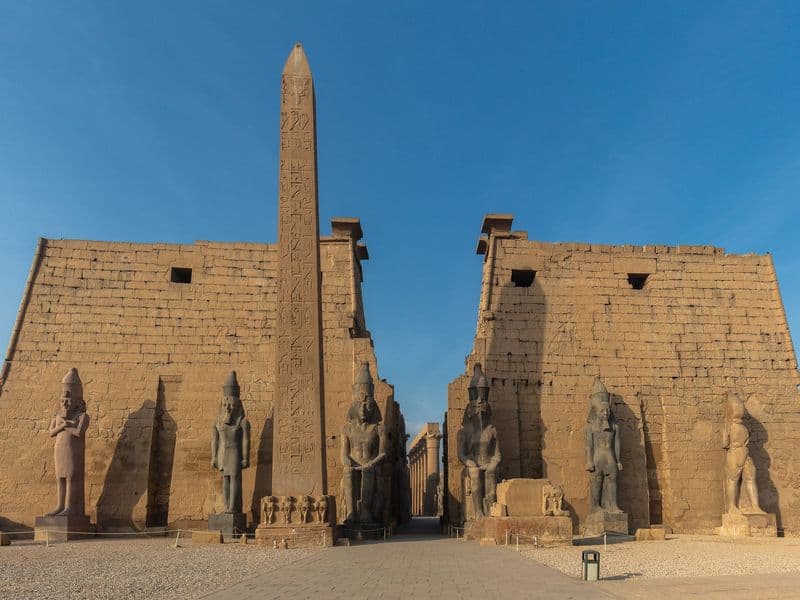
Luxor is an open-air museum. Karnak and Luxor Temple on the East Bank, and the Valley of the Kings, Hatshepsut's temple and the Colossi of Memnon on the West Bank, make it the richest single destination in Egypt. A sunrise balloon ride over the West Bank is the icing on the cake. See the Luxor destination page and Luxor and Aswan: What to See.
Why go: painted royal tombs and the largest temple complex of the ancient world.
The Nile between Luxor and Aswan
The river itself is a destination. A cruise stops at Edfu, one of the best-preserved temples in Egypt, and Kom Ombo, a double temple on the riverbank. Between the stops, the views of farms, palms and villages are timeless. Our Nile Cruise Guide explains the routes.
Aswan
Aswan is relaxed and beautiful, with granite islands, felucca sails at sunset, the island temple of Philae and colourful Nubian villages. It is the place most travelers say they wish they had stayed longer. See the Aswan destination page.
Abu Simbel
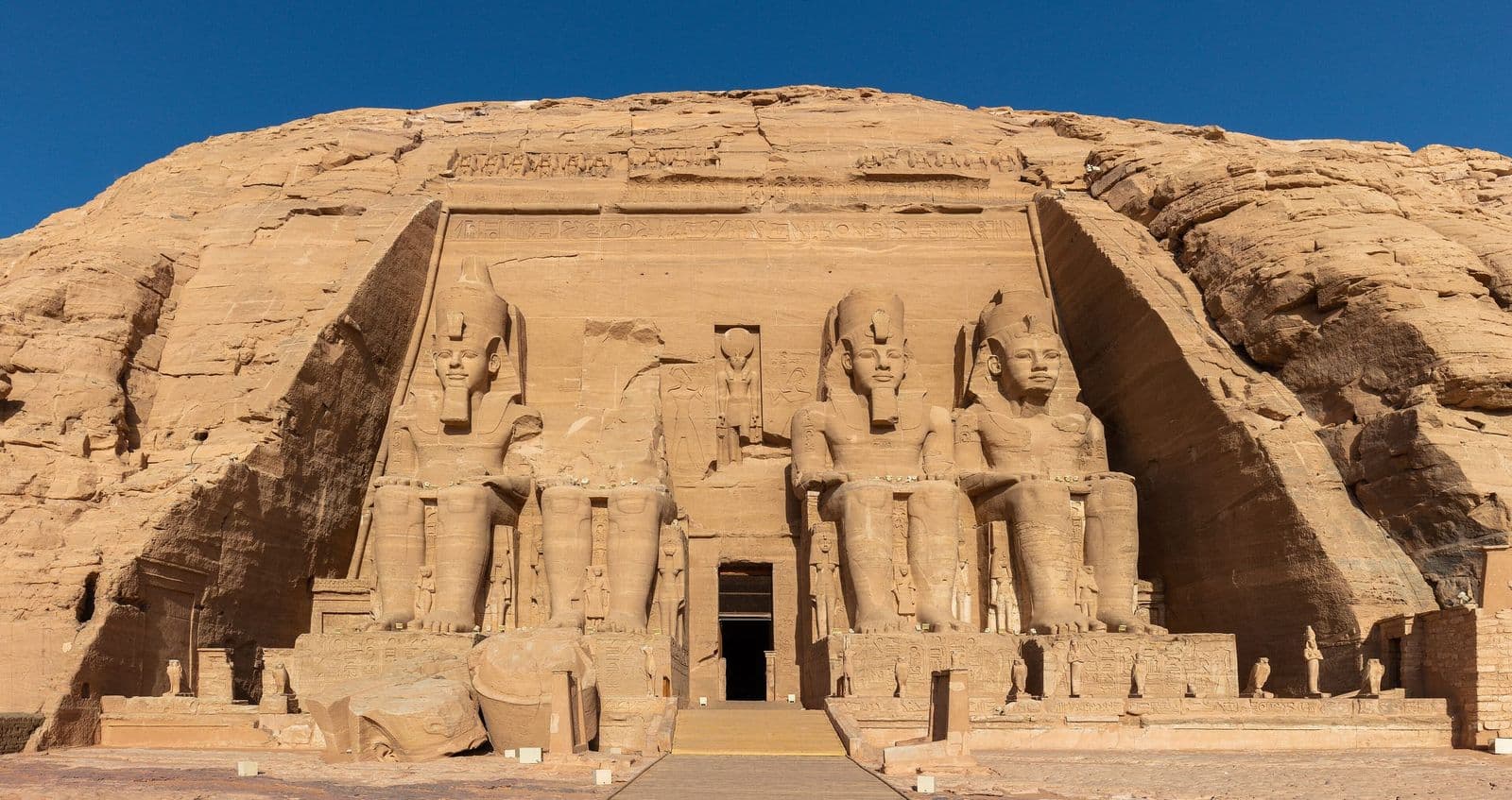
The great rock temples of Ramses II and Queen Nefertari stand on the shore of Lake Nasser, far to the south. The four colossal statues at the entrance are one of the most powerful sights in Egypt. It is a long day from Aswan, or a short flight, and it is worth it. See Abu Simbel.
Alexandria
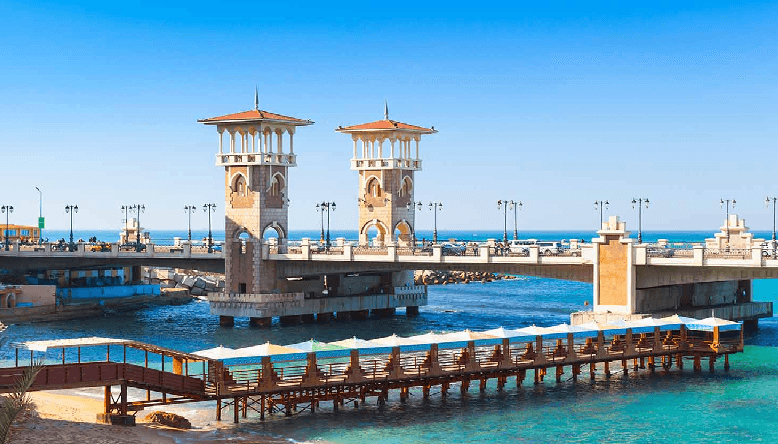
Founded by Alexander the Great, Egypt's second city looks out over the Mediterranean. Visit the modern Library of Alexandria, the Roman-era Catacombs of Kom el-Shoqafa and the Qaitbay Citadel on the site of the ancient lighthouse. It is an easy day trip from Cairo or part of a longer trip such as Pharaohs to the Mediterranean.
The Red Sea
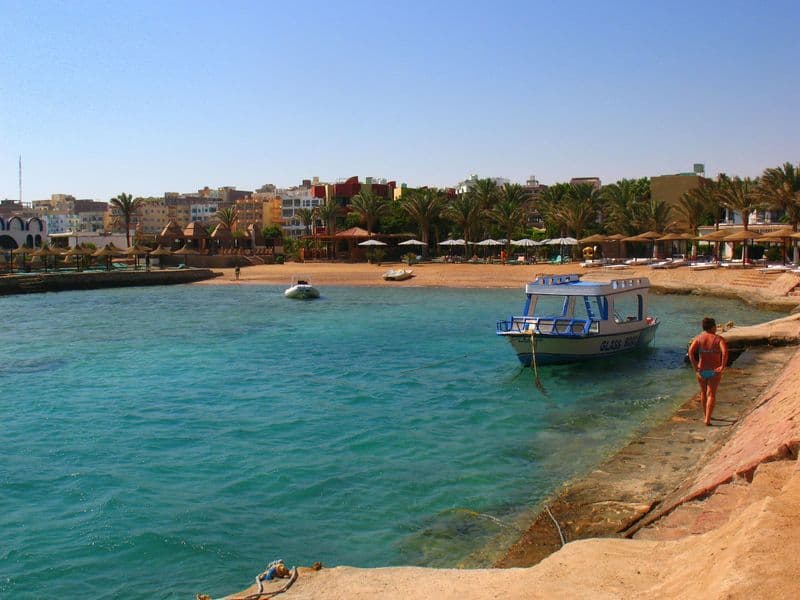
After the temples, many travelers want sun, sea and rest. Hurghada and Sharm El Sheikh offer resorts, calm beaches and some of the world's best snorkelling and diving on coral reefs. Read Hurghada vs. Sharm El Sheikh to choose, or see our Nile Cruise & Red Sea Beach trip.
The Western Desert
For travelers who want something wilder, the desert west of the Nile holds the chalk formations of the White Desert, the black hills of the Black Desert, and the oasis town of Siwa. These trips involve a few days of 4x4 travel and simple camps or lodges. See White & Black Desert Camping or Siwa Oasis.
Hidden gems for a second visit
If you return to Egypt, or have a longer first trip, these quieter places reward the effort:
- Dendera and Abydos, north of Luxor, with superb painted ceilings and reliefs.
- Fayoum, an oasis south-west of Cairo with lakes, desert, and fossil whales at Wadi El Hitan; see our Fayoum day trip.
- St. Catherine's Monastery at the foot of Mount Sinai, one of the oldest working monasteries in the world.
- Lake Nasser, with its remote Nubian temples, best reached on a quiet cruise to Abu Simbel.
- The Holy Family route, tracing churches and monasteries across Egypt; see our Route of the Holy Family.
Choosing what to skip
On a first visit, it is tempting to try to see everything. The best trips usually do fewer things, better. If time is short, it is better to give Luxor two full days than to add a rushed stop elsewhere. If heat is a concern, a short beach stay at the end can make the whole trip more relaxing. If walking is hard, a Nile cruise lets you see a great deal with very little packing and unpacking.
Your planner will help you weigh these choices honestly. Many travelers come back for a second trip to see what they saved for later, and that is part of the pleasure of Egypt.
Getting between the main places
- Cairo to Luxor or Aswan: a short domestic flight, or an overnight sleeper train.
- Luxor to Aswan: a Nile cruise, a dahabiya, or a few hours by private car.
- Aswan to Abu Simbel: by road for a long day out, or by short flight.
- Luxor to Hurghada: a few hours by private car across the desert.
- Cairo to Alexandria: around three hours by road.
On a private trip, all of these are arranged for you, with someone to meet you at every step.
Matching places to interests
- History lovers: Cairo, Saqqara, Luxor, Abydos and Abu Simbel, with an Egyptologist guide throughout.
- Relaxed travelers: a Nile cruise or dahabiya and a few beach days on the Red Sea.
- Faith and heritage: Coptic Cairo, St. Catherine's Monastery and the churches of the Holy Family route.
- Nature and adventure: the White Desert, Siwa Oasis, Fayoum and snorkelling on the Red Sea reefs.
- Families: the pyramids, a felucca sail, a camel ride and the beach, at a pace children enjoy.
- Honeymooners: a luxury cruise or dahabiya, a sunrise balloon over Luxor and a quiet resort to finish; see our Egypt Honeymoon.
The best time to visit each place
The Nile Valley, from Cairo to Aswan, is most comfortable from October to April. The Red Sea is warm enough for swimming for most of the year and is pleasant even in summer, when the sea breeze helps. The Western Desert is best in the cooler months, as summer days there are very hot. Alexandria is mild for much of the year, with cooler, sometimes rainy days in winter. For a month-by-month view, see our best time to visit guide.
How to combine them
- One week: Cairo and Giza, then a Nile cruise between Luxor and Aswan.
- Ten days: add Abu Simbel and either Alexandria or a few beach days.
- Two weeks: the classic route plus the Red Sea, or the desert, at an easy pace.
Our How Many Days in Egypt? guide shows sample itineraries, and our Grand Egypt Tour puts many of these places into one private trip.
Not sure what fits your time and pace? Tell us how you like to travel and we will suggest a route.
Questions travelers ask
What should I not miss on my first trip to Egypt?
The Pyramids of Giza, the Grand Egyptian Museum, Karnak and the Valley of the Kings in Luxor, and Abu Simbel. A Nile cruise is the most comfortable way to link the southern sites.
Is Alexandria worth visiting?
Yes, if you have an extra day. It has a Mediterranean feel, the modern Library of Alexandria, Roman catacombs and the Qaitbay Citadel on the sea front.
Can I combine the temples with a beach?
Yes. Many travelers end with a few days on the Red Sea at Hurghada or Sharm El Sheikh, a short flight or drive from Luxor and Cairo.
Trips that fit this guide
 12 days · Package
12 Days Egypt Vacation Package
From $1,975 per person
 10 days · Package
10 Day Egypt Vacation: Cairo, Nile Cruise & Red Sea
From $1,695 per person
 10 days · Package
10 Days Exceptional Tour in Egypt
From $1,695 per person
Want this planned for you?
Tell us your dates and what you love. We are available 24/7.