Top Things to Do in Cairo: Pyramids, Museums and the Old City
The sights worth your time in Cairo and Giza, how to group them by area, and how many days to give the capital before you head down the Nile.
Cairo is big, busy and full of life, and it is the gateway to almost every trip to Egypt. Many visitors give it only a day on the way to the Nile and regret it. With two or three well-planned days, you can see the pyramids, meet Tutankhamun, walk through a thousand years of Islamic and Christian history and still have time for mint tea in the old bazaar.
The trick is to group sights by area. Cairo's traffic is real, so a good plan keeps each day in one part of the city.
Day one: the Giza plateau and the Grand Egyptian Museum
The Pyramids of Giza and the Sphinx
The three great pyramids are the last surviving wonder of the ancient world, and seeing them in person is unforgettable. Arrive early, when the light is soft and the air is cool. Your guide will take you to the Great Pyramid, explain how it was built, and drive you to the panoramic viewpoint where all three line up for the classic photo. Finish at the Sphinx and the Valley Temple beside it.
Going inside the Great Pyramid is possible but involves a steep, narrow, crouching climb in warm air. It is fascinating if you are comfortable in tight spaces; many travelers prefer to stay outside and enjoy the views. Read our full guide to the Pyramids of Giza for tickets, timing and tips.
The Grand Egyptian Museum
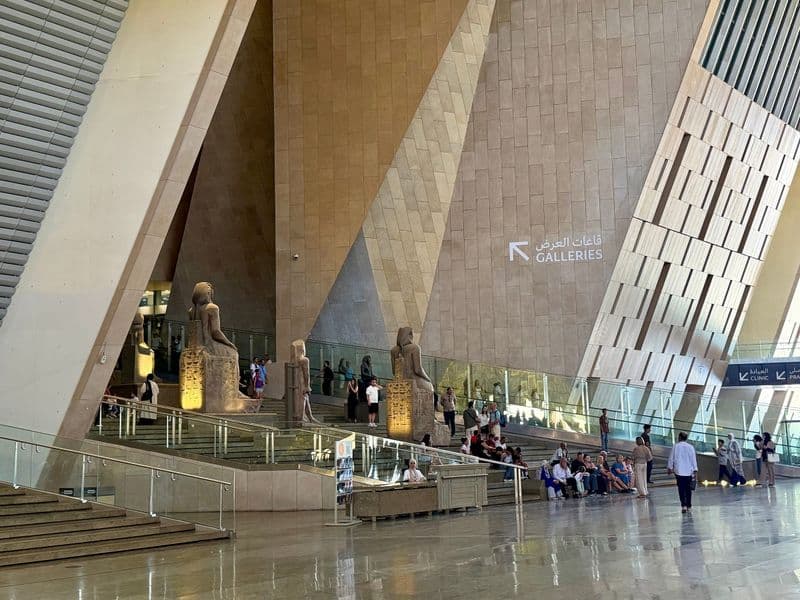
Just a short drive away, the Grand Egyptian Museum brings together the most important collection of ancient Egyptian objects anywhere, with the complete treasures of Tutankhamun as the centrepiece. A towering statue of Ramses II greets you in the atrium, and a monumental staircase lined with statues leads to the galleries. Allow at least three hours; with a guide you can focus on the highlights without feeling lost.
Our Giza Pyramids & Grand Egyptian Museum day combines both, with lunch in between.
Day two: historic Cairo
Islamic Cairo and the Citadel
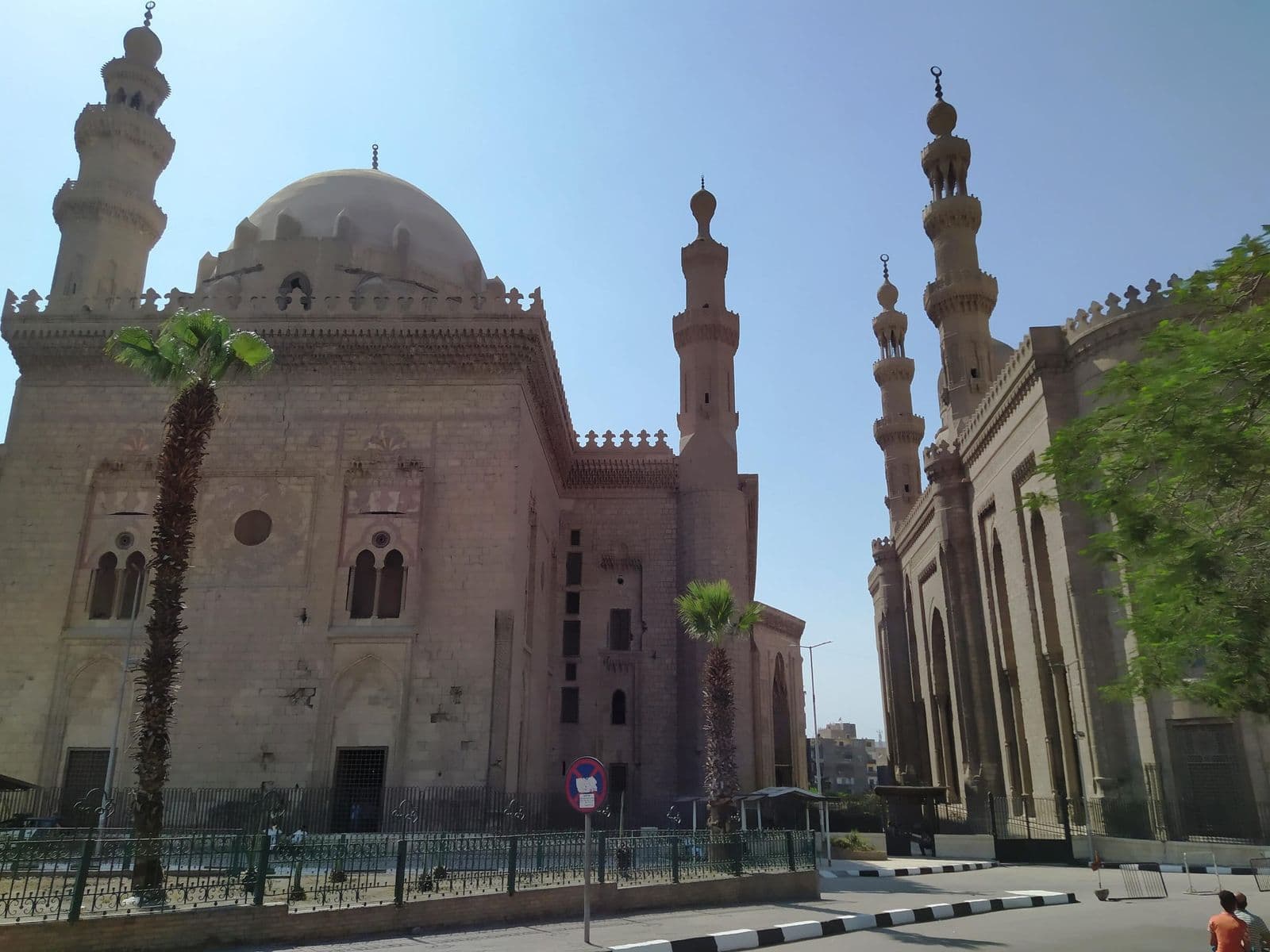
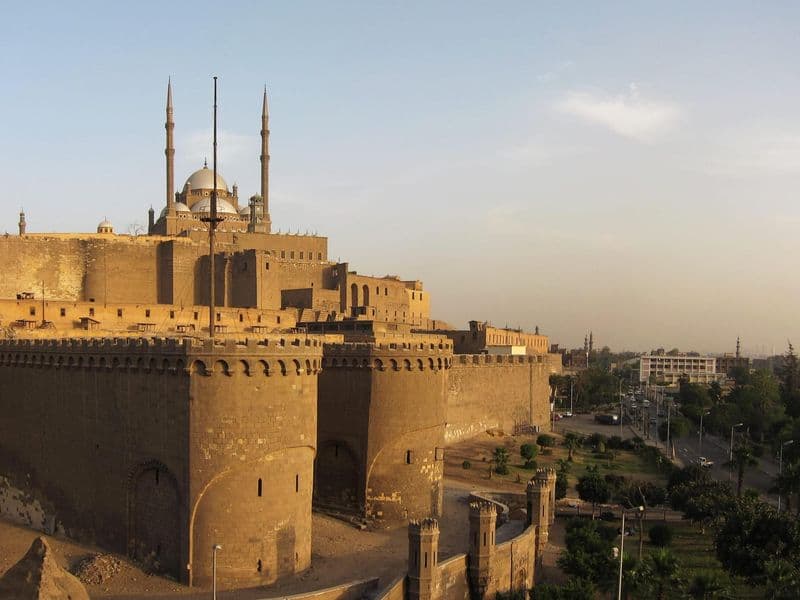
The Citadel of Saladin sits on a hill above the city, crowned by the Mosque of Muhammad Ali with its slender minarets and views across Cairo. Below it, the medieval streets of Islamic Cairo are lined with mosques, gates and old houses. Al-Muizz Street is the best place to walk, especially in the late afternoon.
Coptic Cairo
Old Cairo is home to some of the oldest churches in Egypt, including the Hanging Church, built above the gatehouse of a Roman fortress, and the church traditionally linked to the Holy Family's stay in Egypt. The Coptic Museum next door holds beautiful textiles, icons and carvings. It is a quiet, moving contrast to the busy city outside.
Khan el-Khalili
End the day in Khan el-Khalili, the great bazaar. Wander the lanes of lanterns, spices, brass and silver, then sit in one of the old coffee houses. Bargaining is expected and part of the fun; your guide can tell you what a fair price feels like.
Our Islamic & Coptic Cairo Day covers all three at a relaxed pace.
Day three: Saqqara, Memphis and Dahshur
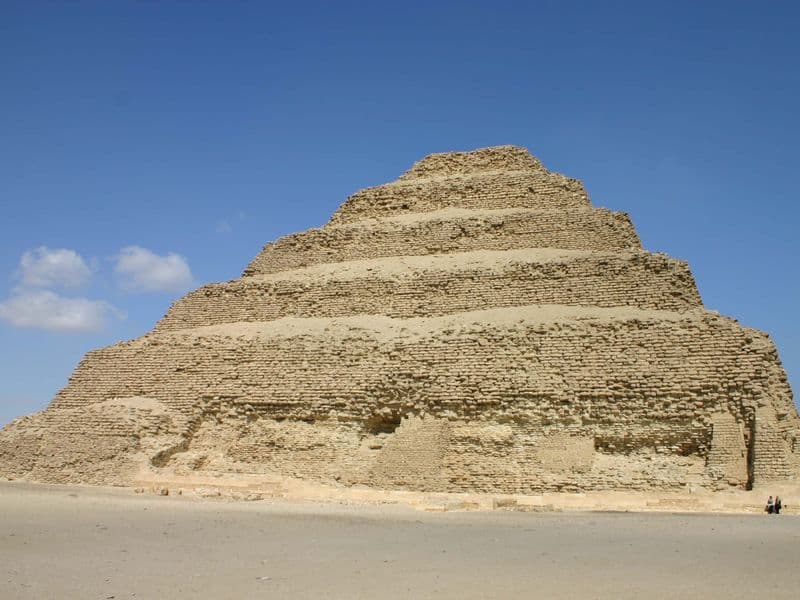
If you have a third day, head south of Giza. Saqqara is home to the Step Pyramid of Djoser, the oldest large stone building in Egypt, and to tombs whose painted and carved walls show daily life in astonishing detail. Memphis, the first capital of a united Egypt, has a colossal statue of Ramses II lying in an open-air museum. Dahshur has the Bent Pyramid and the Red Pyramid, with far fewer visitors than Giza.
See our Pyramids, Saqqara & Memphis Full Day.
More ideas if you have time
- The National Museum of Egyptian Civilization, home to the Royal Mummies Hall, where pharaohs including Ramses II rest in a calm, respectful gallery.
- A felucca sail on the Nile at sunset, an easy hour on the water in the middle of the city.
- The Egyptian Museum in Tahrir Square, the historic museum that still displays a remarkable collection.
- A sunset camel ride near the pyramids; see our sunset camel ride.
- Alexandria, three hours north, makes a rewarding day trip; see our Alexandria Day Trip.
Practical tips for Cairo
- Start early. Sites are cooler and quieter in the first hours after opening.
- Keep small notes for tips and toilets; see our tipping guide.
- Dress modestly for mosques: shoulders and knees covered, and a scarf for women. Our What to Wear guide has details.
- Traffic can be slow at rush hour, so plan one area per day rather than criss-crossing the city.
- On a short layover, a private Cairo layover tour can get you to the pyramids and back.
Where to eat in Cairo
Cairo is a city that loves to eat, and food is one of the best ways to understand it. Your guide can suggest places to suit your taste, from simple local favourites to elegant restaurants with Nile views.
- Koshari, Cairo's beloved street dish, served in busy, bright restaurants.
- Grilled kofta and kebab, often eaten with bread, salads and dips.
- Fiteer, a flaky layered pastry with sweet or savoury fillings.
- Mint tea and Turkish-style coffee in an old coffee house in Khan el-Khalili.
- A Nile dinner cruise in the evening, if you would like music and city lights from the water.
Hotels in Giza and by the Nile have restaurants for every taste if you prefer to keep things simple after a long day.
Cairo with limited mobility
Cairo can be demanding: pavements are uneven, traffic is heavy and some sites have steps. With a private driver and guide, it is much easier. The vehicle drops you close to each entrance, your guide adjusts the route, and you rest whenever you need to. The Grand Egyptian Museum is modern and accessible, with lifts and wide galleries, which makes it a good choice on a lighter day. Tell your planner about any needs before you travel so we can choose hotels and plan each day to suit you.
Shopping without stress
Cairo is full of tempting things to buy: cotton, papyrus, brass lanterns, spices, perfume oils, silver and handmade jewellery. A few tips make it more enjoyable:
- Bargaining is normal in markets. Start lower than the asking price and settle somewhere in the middle, with a smile.
- Fixed-price shops exist too, especially in hotels and malls.
- You are never obliged to buy. If a visit to a shop is suggested, a polite "no, thank you" is always fine.
- Keep receipts for larger purchases, and check customs rules at home for antiques and natural products.
When to visit Cairo
Cairo is pleasant from October to April, when days are warm and evenings mild. Summer is hot, so plan outdoor sightseeing early and spend the midday hours in museums or at your hotel. Fridays are the main day of prayer, and some sites in Islamic Cairo are best avoided at midday prayer time; your guide will plan around this.
How Cairo fits into a longer trip
Most travelers spend two or three nights in Cairo at the start of their trip, then fly to Luxor or Aswan to join a Nile cruise. Some return to Cairo at the end for a final night before flying home. You can see this pattern in our Classic Cairo & Nile Cruise and Cairo Essentials 3-Day Getaway.
Ready to plan? Tell us your dates and we will build your Cairo days around you.
Questions travelers ask
How many days should I spend in Cairo?
Two full days cover the Pyramids, the Grand Egyptian Museum and the historic city. A third day lets you add Saqqara and Memphis or simply slow down.
Is it better to stay in Giza or central Cairo?
Giza is closest to the pyramids and the Grand Egyptian Museum, often with views. Central Cairo by the Nile is better for restaurants and evening walks. Either works with a private driver.
Can I visit the pyramids and the Grand Egyptian Museum on the same day?
Yes. They are close together. Most travelers see the pyramids in the cooler morning and spend the afternoon in the museum.
Trips that fit this guide
 Full day · Day tour
Giza Pyramids and Grand Egyptian Museum Full Day Tour
From $80 per person
 Full day · Day tour
Islamic & Coptic Cairo Full Day Tour
From $35 per person
 Full day · Day tour
Pyramids, Saqqara & Memphis Full Day Tour
From $55 per person
Want this planned for you?
Tell us your dates and what you love. We are available 24/7.