A Complete Guide to the Pyramids of Giza
How the Giza plateau is laid out, what is worth going inside, the best time of day to visit and how to combine the pyramids with the Grand Egyptian Museum.
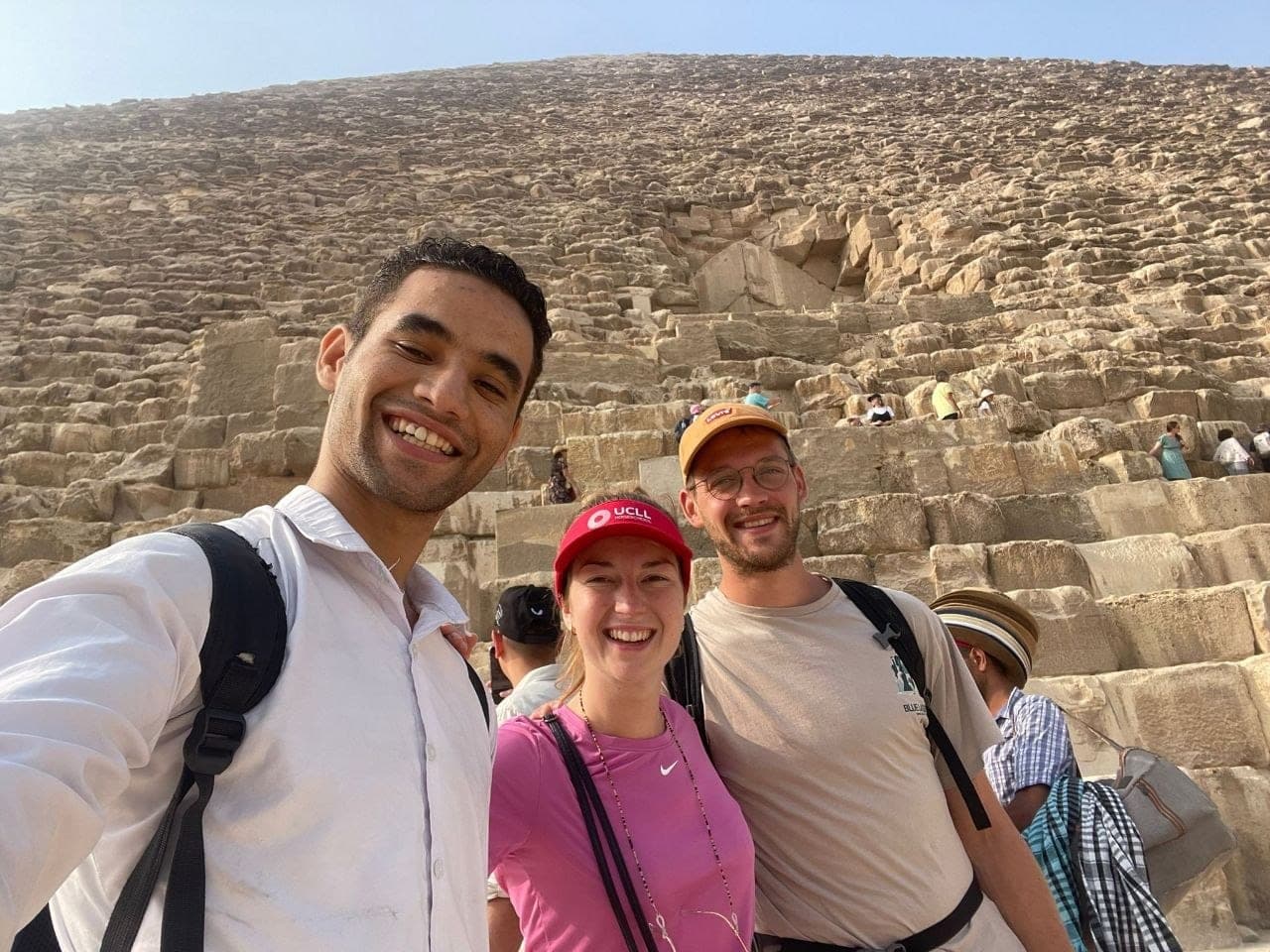
For more than four thousand years, travelers have stood at the foot of the Great Pyramid and felt very small. The Giza plateau is the one sight that almost everyone who comes to Egypt wants to see, and it does not disappoint. This guide explains how the site works, what is worth your time, and how to enjoy it without the crowds or the heat getting in the way.
What you will see
The Giza plateau sits on the edge of the desert, right where the city of Giza ends. It holds three main pyramids, several smaller queens' pyramids, the Great Sphinx and a field of tombs built for officials and relatives of the kings.
- The Great Pyramid of Khufu, the largest and oldest of the three, built for the pharaoh Khufu in the Fourth Dynasty.
- The Pyramid of Khafre, which looks taller because it stands on higher ground and still has some of its original smooth casing stones near the top.
- The Pyramid of Menkaure, the smallest of the three, with its row of little queens' pyramids beside it.
- The Great Sphinx, carved from the bedrock with a lion's body and a royal head, guarding the way to Khafre's pyramid.
- The Valley Temple of Khafre, built from huge granite blocks, next to the Sphinx.
How a visit usually flows
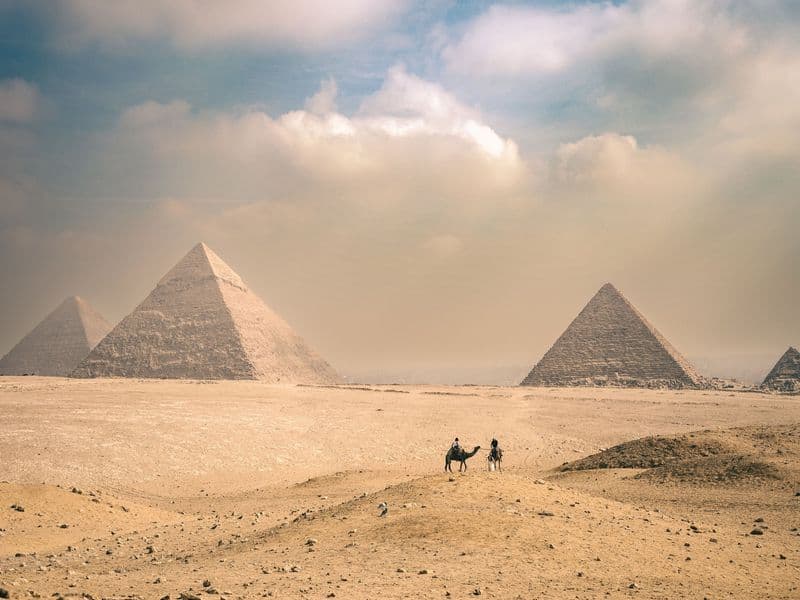
A typical private visit starts at the Great Pyramid, where your guide explains how the pyramids were planned, built and used. You then drive to the panoramic viewpoint on the desert side of the plateau, where all three pyramids line up. This is the photo most people dream of. From there, you continue down to the Sphinx and the Valley Temple.
Because the site is large and sandy, having your own vehicle to move between these points saves a great deal of walking in the sun. It is one of the most practical benefits of a private tour at Giza.
Going inside a pyramid
You can enter the Great Pyramid and some of the others with an extra ticket. The experience is memorable, but be honest with yourself before you go:
- The passage to the Grand Gallery is steep and low, so you will be bent over for much of the climb.
- It can be warm and humid inside, and busy at peak times.
- There are no paintings or decorations inside the Great Pyramid; the wonder is the scale and engineering.
If you would like to see decorated burial chambers, the tombs and pyramids at Saqqara are often a better choice, and less crowded. Our Pyramids, Saqqara & Memphis Full Day includes them.
The best time of day
Arrive at opening time. The first hours are the coolest, the light is soft and golden, and the plateau is calmer. Midday is the hottest and busiest time. Late afternoon brings beautiful light too, and a sunset camel ride on the desert edge is a lovely way to end a day.
In summer, an early start is essential. In winter, mornings can be cool, so bring a light layer.
Camels and horses
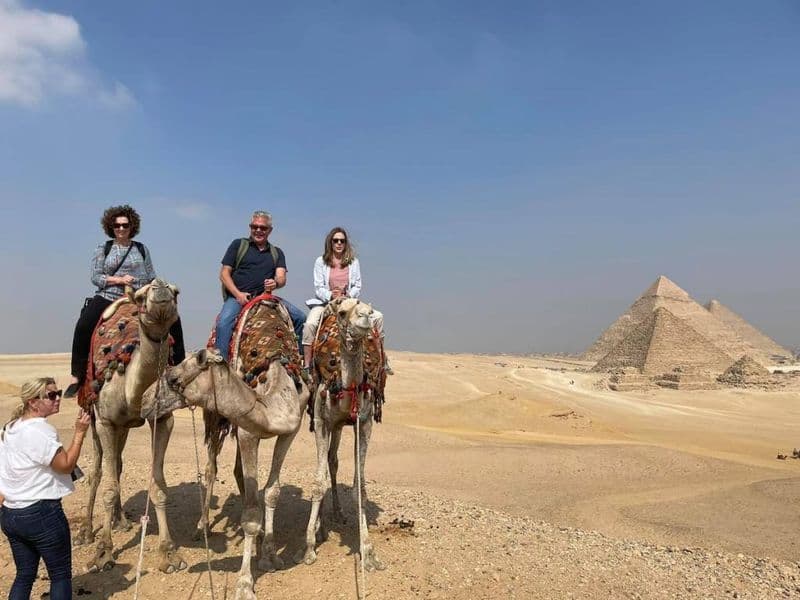
Camel and horse rides are offered all over the plateau. If you would like one, arrange it through your guide so the price, route and length are clear in advance. A short ride near the panoramic viewpoint is plenty for most people and makes for wonderful photos. If you prefer something more active, a sunset quad bike ride runs on the desert edge nearby.
The Grand Egyptian Museum
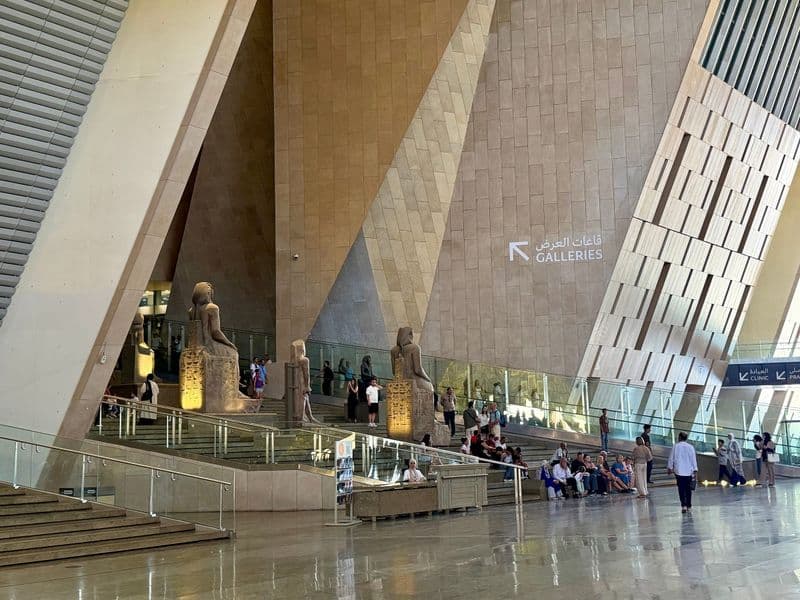
The Grand Egyptian Museum stands a short drive from the plateau, and it is the natural partner to a pyramids visit. Its galleries take you from prehistory to the Roman period, and the complete treasures of Tutankhamun are displayed together. Many travelers do the pyramids in the morning and the museum after lunch. Our Grand Egyptian Museum & Pyramids Day is built exactly this way.
Tips for a comfortable visit
- Wear comfortable closed shoes; the ground is sand and uneven stone.
- Bring a hat, sunscreen and water, even in winter.
- Expect people offering photos, rides and souvenirs. A polite "la, shukran" (no, thank you) and walking on is enough. Your guide will help.
- Keep small notes for tips and toilets; our tipping guide explains what is customary.
- Photography is allowed outdoors; inside the pyramids, rules can change, so ask your guide.
Where to stay for the pyramids
Hotels in Giza put you close to the plateau, and some have pyramid views from the pool or rooms. This makes early starts easy. If you prefer central Cairo, a private driver still gets you there comfortably; just allow extra time for traffic.
A short history of the pyramids
The pyramids at Giza were built during Egypt's Old Kingdom, around four and a half thousand years ago, for three kings of the Fourth Dynasty: Khufu, his son Khafre and Khafre's successor Menkaure. They were tombs, designed to protect the king's body and help him reach the afterlife among the stars.
Building them took enormous organisation. Archaeologists have found the remains of the workers' town south of the plateau, with bakeries, breweries and tombs of the builders themselves. These discoveries show the pyramids were built by skilled teams of Egyptian workers, supported by a well-run state, rather than by slaves as was once claimed. Your guide will show you the evidence and explain the theories about how the huge blocks were raised.
The Sound and Light show
In the evening, a sound and light show is held at the foot of the plateau, with the pyramids and Sphinx lit in colour and the story told through music and narration. It is a gentle, atmospheric way to see the site after dark, and many travelers enjoy it on their first night in Cairo. Bring a light jacket in winter, as evenings in the desert can be cool.
Visiting with limited mobility
The plateau is large, sandy and uneven, but a private vehicle makes it far more manageable. Your driver can take you close to the Great Pyramid, the panoramic viewpoint and the Sphinx, so walking is kept to short stretches. The interior of the pyramids is not suitable for anyone with mobility limits, but the views from outside are the real highlight. The Grand Egyptian Museum next door is modern and accessible, with lifts and wide spaces.
Photography tips
- The panoramic viewpoint gives the classic view of all three pyramids together.
- Early morning and late afternoon light is warmer and softer than midday.
- For a fun photo, your guide can show you the popular "touching the top of the pyramid" angle.
- Ask before photographing people, including camel handlers, and expect that some will ask for a small tip.
Combining Giza with the rest of your trip
Giza is usually the first stop on an Egypt trip. From here, most travelers fly south to Luxor or Aswan for a Nile cruise. Our Classic Cairo & Nile Cruise and Cairo & the Pyramids in 2 Days both start with a full day at Giza.
How long to give Giza
Two to three hours covers the highlights. Half a day with lunch is relaxed. A full day lets you add the Grand Egyptian Museum or Saqqara. If you only have a few hours between flights, our Half-Day Pyramids Tour or layover tour is designed for that.
Read more about the rest of the capital in Top Things to Do in Cairo, or ask us to plan your day at Giza.
Questions travelers ask
Can you go inside the Great Pyramid?
Yes, with a separate ticket. The passage is steep, low and narrow, and the air is warm. It is not suitable if you have back, knee or heart problems or dislike tight spaces.
What is the best time to visit the pyramids?
As soon as the site opens in the morning. It is cooler, the light is beautiful and the plateau is quieter before tour groups arrive.
How long do I need at the pyramids?
Two to three hours covers the Great Pyramid, the panoramic viewpoint and the Sphinx comfortably. Add the Grand Egyptian Museum for a full day.
Trips that fit this guide
 Half day · Day tour
Half-Day Pyramids Tour
From $25 per person
 Full day · Day tour
Giza Pyramids and Grand Egyptian Museum Full Day Tour
From $80 per person
 About 2.5 hours · Desert safari
Sunset Camel Ride at the Giza Pyramids
From $40 per person
Want this planned for you?
Tell us your dates and what you love. We are available 24/7.