Egyptian Festivals & Celebrations: A Guide to Local Traditions
Discover Egyptian celebrations, including Ramadan, Eid, Sham El-Nessim, Coptic Christmas, and Moulid festivals. Explore Egypt's traditions and culture.
 By AmrTour guideUpdated November 2026
Egyptian Celebrations: Ramadan, Eid, Sham El-Nessim, Coptic Christmas & Moulid Festivals
Discover the festivals, religious traditions, and cultural celebrations that bring Egypt to life throughout the year.
Egypt is a country rich in history, traditions, and cultural diversity. Beyond its ancient temples, pyramids, and archaeological treasures, Egypt offers visitors a unique opportunity to experience vibrant celebrations that reflect the country's religious heritage, family values, and welcoming spirit.
Throughout the year, Egyptian streets, homes, mosques, churches, and public spaces come alive with colorful decorations, traditional food, music, and gatherings. Some celebrations have religious significance, while others date back thousands of years and are deeply connected to Egyptian identity.
Whether you visit during the holy month of Ramadan, celebrate Eid with local families, or experience the traditional atmosphere of Sham El-Nessim, these occasions offer a fascinating insight into everyday Egyptian life.
1. Ramadan – The Holy Month of Fasting

Ramadan is the ninth month of the Islamic lunar calendar and one of the most important religious occasions in Egypt. During this holy month, Muslims fast from dawn until sunset, abstaining from food and drink while focusing on prayer, charity, patience, and spiritual reflection.
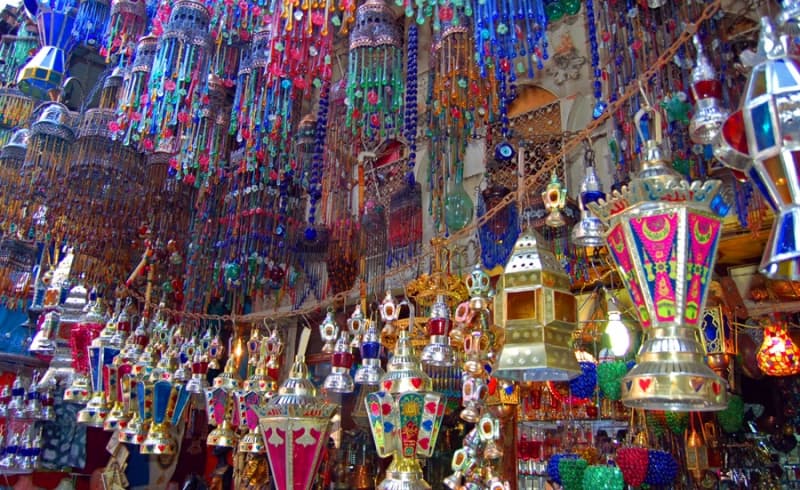
Ramadan transforms the atmosphere of Egyptian cities, particularly Cairo. Streets and neighborhoods are decorated with colorful lanterns known as Fanous Ramadan, while restaurants, cafés, and traditional markets become lively gathering places after sunset.
How do Egyptians celebrate Ramadan?
- Iftar: Families and friends gather at sunset to break their fast, traditionally beginning with dates and water before enjoying a large meal.
- Suhoor: A late-night meal eaten before dawn, often featuring ful medames, yogurt, cheese, bread, and other traditional foods.
- Ramadan lanterns: Colorful lanterns decorate streets, balconies, shops, and homes.
- Charity and generosity: Many Egyptians donate food, money, and essential supplies to people in need.
- Ramadan tents: Special venues offer traditional meals, entertainment, and social gatherings late into the night.
For visitors, Ramadan is an excellent opportunity to experience Egyptian hospitality, traditional cuisine, and the lively atmosphere of Cairo after sunset.
2. Eid al-Fitr – The Festival of Breaking the Fast

Eid al-Fitr marks the end of Ramadan and is one of the most joyful celebrations in Egypt. It begins on the first day of Shawwal, the month following Ramadan, according to the Islamic lunar calendar.
The celebration starts with special morning prayers, followed by family visits, exchanging greetings, giving gifts, and enjoying traditional sweets.
One of the most famous Egyptian Eid traditions is preparing and eating Kahk, round, powdered-sugar biscuits traditionally filled with dates, nuts, or other fillings. Other popular sweets include biscuits and petit fours.
How do Egyptians celebrate Eid al-Fitr?
- Attend special morning Eid prayers.
- Visit relatives and friends.
- Exchange gifts and give children Eidiya, small amounts of money.
- Enjoy Kahk and other traditional Egyptian sweets.
- Visit parks, gardens, amusement areas, and public attractions.
Eid al-Fitr is a wonderful time to witness the importance of family relationships and community celebrations in Egyptian society.
3. Eid al-Adha – The Festival of Sacrifice

Eid al-Adha is another major Islamic celebration, commemorating the story of Prophet Ibrahim and his willingness to sacrifice his son in obedience to God. According to Islamic belief, God provided a ram instead.
The festival takes place on the tenth day of Dhul-Hijjah, the final month of the Islamic calendar, and coincides with the annual Hajj pilgrimage in Saudi Arabia.
One of the central traditions is the sacrifice of an eligible animal, such as a sheep, goat, cow, or camel. The meat is traditionally divided among the family, relatives, and people in need.
How do Egyptians celebrate Eid al-Adha?
- Attend special Eid prayers in the morning.
- Perform the traditional animal sacrifice.
- Share meat with relatives and families in need.
- Prepare traditional dishes, particularly Fattah, made with bread, rice, meat, and garlic-vinegar sauce.
- Gather with family and friends for festive meals.
Eid al-Adha reflects the values of generosity, compassion, family unity, and helping others.
4. Sham El-Nessim – Egypt's Ancient Spring Festival

Sham El-Nessim is one of Egypt's oldest traditional celebrations, with roots in ancient Egyptian spring festivals. Its name is commonly translated as "smelling the breeze," symbolizing the arrival of spring, fresh air, and the renewal of nature.
Unlike religious holidays, Sham El-Nessim is celebrated by Egyptians of different religious backgrounds. It takes place on the Monday following Coptic Orthodox Easter, making it a shared national celebration.
How do Egyptians celebrate Sham El-Nessim?
- Feseekh: Traditional salted and fermented fish.
- Renga: Smoked herring, commonly served with lemon and vegetables.
- Colored eggs: Hard-boiled eggs decorated in bright colors, a tradition associated with renewal and new life.
- Green onions and lettuce: Traditional spring foods enjoyed during the celebration.
- Family picnics: Families spend the day in parks, gardens, beaches, and along the Nile.
- Outdoor activities: Boat rides, gatherings, and enjoying the pleasant spring weather.
For tourists, Sham El-Nessim offers a wonderful opportunity to experience Egyptian traditions, taste seasonal foods, and enjoy the festive atmosphere in public spaces.
5. Coptic Christmas – Celebrating the Birth of Jesus Christ

Coptic Christmas is one of the most important religious celebrations for Egypt's Coptic Orthodox Christian community. It commemorates the birth of Jesus Christ and is traditionally celebrated on January 7.
The celebration follows a 43-day fasting period known as the Nativity Fast, during which many Coptic Christians follow a special dietary tradition that excludes animal products.
Christmas Eve, January 6, is marked by special church services and a midnight Mass attended by families and worshippers. On Christmas Day, families gather to celebrate and enjoy festive meals after the fasting period.
How do Egyptians celebrate Coptic Christmas?
- Attend special church services and midnight Mass.
- Decorate churches and homes with Christmas trees and festive lights.
- Gather with family and friends.
- Enjoy traditional festive meals after the Nativity Fast.
- Exchange greetings and visit relatives.
Although it is primarily a Christian religious occasion, Coptic Christmas is an official public holiday in Egypt and forms an important part of the country's cultural identity.
For visitors, attending or observing the festive atmosphere around Coptic churches can provide insight into Egypt's Christian heritage and religious traditions.
6. Moulid Festivals – Celebrating Religious Heritage and Local Traditions

Moulid festivals are traditional religious and cultural celebrations held in different parts of Egypt throughout the year. The word Moulid refers to a birthday or anniversary, and these festivals commonly commemorate respected religious figures, saints, and Sufi personalities.
Some Moulids are associated with Islamic scholars and Sufi figures, while others celebrate Christian saints. They often combine religious devotion with traditional music, local food, markets, and community gatherings.
Among the well-known Egyptian Moulid celebrations are:
- Moulid Sayyid al-Badawi – Tanta: One of Egypt's largest Islamic Moulid festivals, attracting visitors and pilgrims from different parts of the country.
- Moulid Abu al-Haggag – Luxor: A traditional celebration honoring the revered religious figure Abu al-Haggag, associated with Luxor's historic mosque beside Luxor Temple.
- Moulid of Saint George – Various locations: Christian celebrations honoring Saint George, particularly at important churches and pilgrimage sites.
What can visitors experience during Moulid festivals?
- Traditional religious processions and gatherings.
- Sufi chanting and spiritual music at some Islamic celebrations.
- Colorful market stalls selling sweets, toys, and traditional products.
- Traditional Egyptian food and local street snacks.
- Folk performances and community celebrations.
Moulid festivals offer a fascinating opportunity to discover the connection between religious traditions, local identity, and Egyptian community life.
7. When Is the Best Time to Experience Egyptian Celebrations?
Egyptian celebrations take place throughout the year. However, the dates of Islamic occasions change annually because they follow the lunar calendar, while some Christian and traditional celebrations follow different calendar systems.
Celebration
When it takes place
Ramadan
Ninth month of the Islamic calendar
Eid al-Fitr
First day of Shawwal
Eid al-Adha
10th day of Dhul-Hijjah
Sham El-Nessim
Monday after Coptic Orthodox Easter
Coptic Christmas
January 7
Moulid Festivals
Different dates throughout the year
If you are planning a trip to Egypt, checking the local calendar before departure can help you discover special celebrations and cultural events during your visit.
Experience the Real Egypt Beyond Its Ancient Monuments
Egypt is much more than its pyramids, temples, and archaeological treasures. Its celebrations reveal another side of the country, one shaped by family traditions, religious heritage, hospitality, music, and community life.
From the magical atmosphere of Ramadan nights in Cairo to the colorful spring traditions of Sham El-Nessim, and from the spiritual celebrations of Coptic Christmas to the lively Moulid festivals, every occasion offers a different way to understand Egyptian culture.
At Egypt Trip Maker, we believe that discovering Egypt means experiencing both its remarkable history and the traditions of the people who call it home. Our private tours can introduce you to local neighborhoods, traditional markets, authentic Egyptian cuisine, and cultural experiences that make your journey more meaningful.
Trips that fit this guide
 Half day · Day tour
Food Tour and Cairo Hidden Gems
From $20 per person
Want this planned for you?
Tell us your dates and what you love. We are available 24/7.