The Ultimate Egypt Travel Guide for First-Time Visitors
Where to go, how long to stay, how to get around and what a private trip looks like day to day: the one guide to read before you plan Egypt.
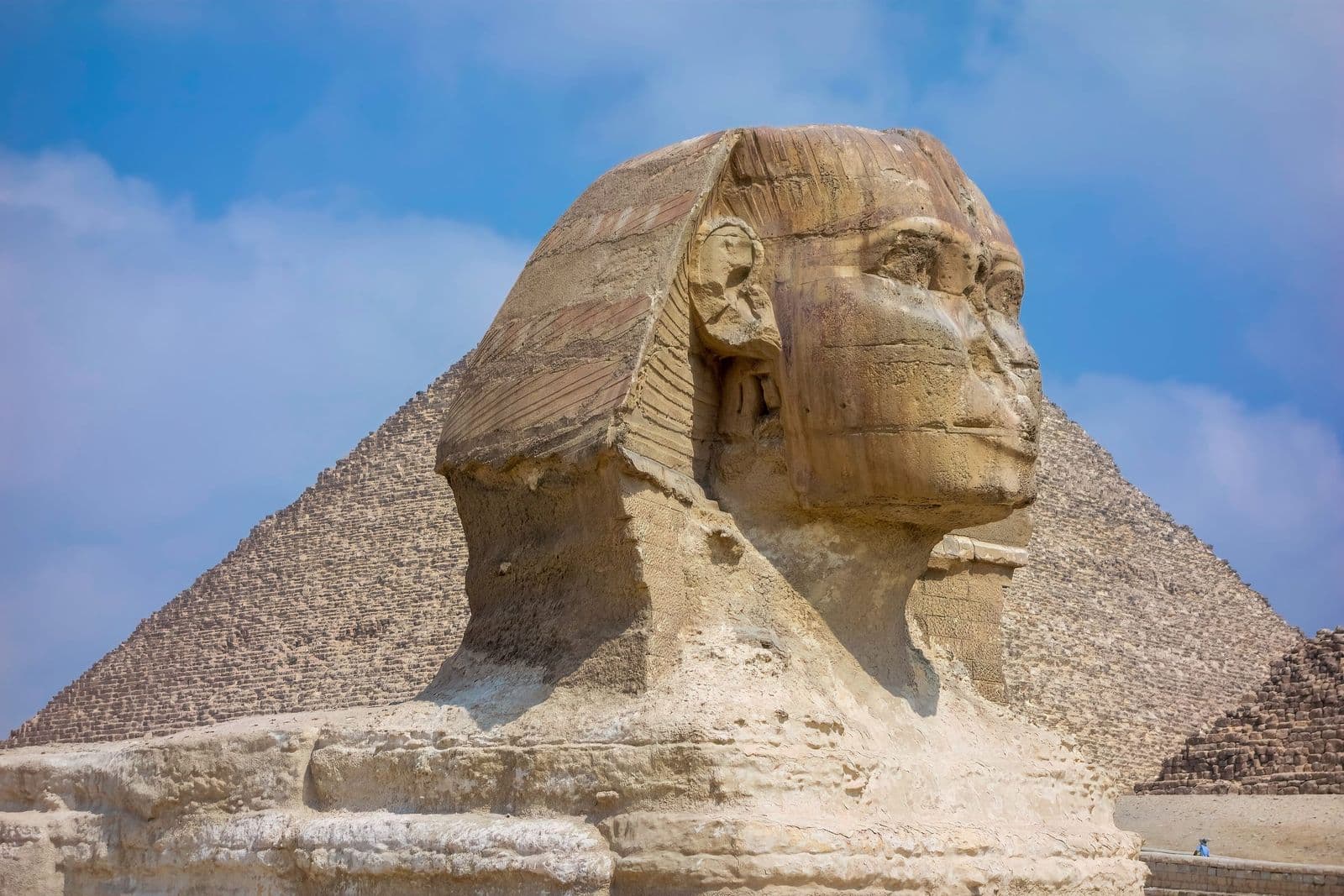
Egypt is one of the few places on earth where you can stand in front of something four and a half thousand years old in the morning and drift past palm-lined riverbanks in the afternoon. It is also a country that rewards a little planning. This guide pulls together the essentials we explain to every first-time traveler, so you can decide where to go, how long to stay and how to enjoy it in comfort.
Why Egypt, and why now
Egypt packs an extraordinary amount into a compact route. The Pyramids of Giza, the temples of Luxor, the Valley of the Kings, Aswan's granite islands and the great rock temples of Abu Simbel all sit along the same river, the Nile. That makes the classic itinerary simple: start in Cairo, then follow the river south, either by Nile cruise or by short domestic flights.
The opening of the Grand Egyptian Museum beside the Giza plateau has given visitors one more reason to come. It brings together treasures that were once scattered across several sites, including the full collection from Tutankhamun's tomb, in a building designed for them.
The classic route in one paragraph
Most first trips follow the same backbone. Two or three nights in Cairo cover the Pyramids, the Sphinx, the Grand Egyptian Museum and, if you like, Islamic and Coptic Cairo. A short flight takes you to Luxor or Aswan, where you join a Nile cruise for three or four nights, stopping at Edfu and Kom Ombo between the two cities. From Aswan, a day trip to Abu Simbel is the highlight for many travelers. You can finish with a few days of rest on the Red Sea or return to Cairo for your flight home.
You can see this shape in our Classic Cairo & Nile Cruise and in the longer Cairo, Nile Cruise & Abu Simbel trip. Both are private and can be changed day by day.
How long should you stay?
- 5 to 6 days: Cairo and Giza plus a short cruise or a Luxor stay. Busy, but it shows you the essentials.
- 7 to 8 days: the classic Cairo plus Nile cruise route, with time for Abu Simbel if you fly or start early.
- 10 to 12 days: the classic route at a gentler pace, plus Alexandria, extra time in Luxor or a beach finish.
- 14 days or more: room for the Western Desert, Siwa, a dahabiya sailing or a longer Red Sea stay.
Our How Many Days in Egypt? guide lays out sample 7, 10 and 14-day plans in detail.
When to go
Egypt is a year-round destination, but the experience changes with the season. The cooler months are the most comfortable for sightseeing in Upper Egypt, while the summer is hot in Luxor and Aswan and best planned around early starts. Holidays around Christmas and New Year are the busiest time, so cruise cabins and Nile-view rooms book out early. Read our month-by-month guide before you choose dates.
Getting around
Distances look small on a map, but the Nile Valley is long. Within cities you will travel by private air-conditioned vehicle with a driver. Between cities, you have three good options:
- Domestic flights between Cairo, Luxor, Aswan, Abu Simbel and the Red Sea save the most time.
- Nile cruises combine transport and hotel: you unpack once and visit temples along the way.
- Overnight sleeper trains between Cairo and Upper Egypt are a classic experience, though slower and simpler than flying.
Private transfers mean someone meets you at the airport, carries the paperwork and gets you to your hotel. For many travelers this is the single most reassuring part of a private trip.
Where to stay
In Cairo, many visitors prefer a hotel near the pyramids in Giza for the views and easy access to the plateau and the Grand Egyptian Museum. Others stay by the Nile in central Cairo for restaurants and evening walks. In Luxor and Aswan, you will usually sleep on your cruise ship, or in a Nile-view hotel if you prefer to stay put. Our trips let you pick the hotel level that suits you, from comfortable 4-star to luxury.
Visas, money and paperwork
Check your passport is valid for at least six months after you arrive. Most US, UK, Canadian and Australian travelers need a tourist visa, either online before travel or on arrival; our visa guide explains both. The local currency is the Egyptian pound. Cards work in hotels and larger shops, but you will want some cash for tips and small purchases; see Money in Egypt. Tipping is part of daily life here, and our tipping guide tells you who to tip and when.
Staying comfortable
Egypt is a walking destination. Temples have uneven stone floors, tombs have steps, and some of the best views involve a short climb. A good private itinerary plans the hardest walking for the cooler morning hours, builds in a rest after lunch, and never stacks two long site visits back to back without a break.
- Drink bottled water and carry it with you.
- Wear a hat and sunscreen even in winter.
- Choose comfortable, closed walking shoes.
- Tell your planner about any mobility needs; we adjust routes, timings and hotel choices.
Our safety guide covers practical safety and health questions, and What to Wear in Egypt explains dress at mosques, temples and on the beach.
Culture and etiquette
Egyptians are famously warm and hospitable. A few simple courtesies go a long way: cover shoulders and knees at religious sites, ask before photographing people, and accept that bargaining is normal in markets. During Ramadan, eating and drinking in public during daylight is best done discreetly, though hotels and tourist restaurants serve as usual.
Private trip or group tour?
A private trip means just your group, your own guide and driver, and a plan built around you. You choose when to start each day, how long to spend at each site and where to eat. Group tours can be good value, but they move at the group's pace. Read Private Tours vs. Group Tours in Egypt for a fair comparison.
A sample first week
To make this concrete, here is how a relaxed seven-day private trip often flows:
- Day 1: Arrive in Cairo. You are met inside the airport, helped through arrival and driven to your hotel to rest.
- Day 2: The Pyramids and Sphinx in the cool morning, lunch, then the Grand Egyptian Museum in the afternoon.
- Day 3: Islamic and Coptic Cairo, ending in the Khan el-Khalili bazaar; or a quieter day at Saqqara.
- Day 4: Morning flight to Luxor. Board your Nile cruise and visit Karnak and Luxor Temple.
- Day 5: The Valley of the Kings and Hatshepsut's temple, then sail south past palm groves.
- Day 6: Edfu and Kom Ombo temples, with an afternoon on the sun deck.
- Day 7: Aswan: Philae Temple and a felucca sail, then fly back to Cairo or onwards.
Every day can be shortened, lengthened or swapped. If you would like to add Abu Simbel, a beach or a slower pace, add days rather than squeezing more in.
Food and drink
Egyptian food is generous and satisfying. Try koshari, the national dish of lentils, rice and pasta with tomato sauce; ful medames, slow-cooked fava beans at breakfast; fresh flatbread with tahini and dips; grilled meats and fish; and sweet pastries such as basbousa and konafa. Hotels and cruise ships also serve familiar international dishes, so there is always something for cautious eaters.
- Drink bottled water, and use it to brush your teeth if you have a sensitive stomach.
- Salads and fresh fruit are generally fine in good hotels and on cruise ships; elsewhere, peeled or cooked food is the safer choice.
- Alcohol is served in hotels, on cruise ships and in many tourist restaurants, but not everywhere.
- Tell your planner about allergies or dietary needs; we pass them on to hotels, ships and restaurants.
Phones, internet and staying in touch
Hotels and cruise ships offer Wi-Fi, though it can be slow on the river. Many travelers buy a local SIM or an eSIM on arrival for maps and messaging. WhatsApp is the most common way to keep in touch in Egypt, and it is how your planner and guide will usually reach you during the trip.
Who is Egypt good for?
Egypt suits curious travelers of every age. Couples enjoy the romance of the Nile, families love the pyramids and the Red Sea, and many of our travelers are in their 50s, 60s and 70s, exploring at a comfortable pace with a private guide. If you have mobility concerns, a private trip lets us choose step-free hotels, plan shorter walking days and pick the sites that suit you best.
Your next step
The easiest way to start is to pick a trip close to what you have in mind and ask us to change it. Browse all our trips, or tell us how you like to travel and a planner will send you a route and a clear, line-by-line price.
Questions travelers ask
How many days do I need for a first trip to Egypt?
Eight to ten days covers Cairo and Giza, a Nile cruise between Luxor and Aswan, and usually Abu Simbel without rushing. Seven days works if you fly between cities; twelve or more lets you add the Red Sea or Alexandria.
Is a private tour better than travelling independently?
For most first-time visitors, yes. A private guide and driver handle tickets, timing and traffic, explain what you are seeing, and let you set the pace, which matters in the heat and at busy sites.
Do I need a visa for Egypt?
Most US, UK, Canadian and Australian travelers need a tourist visa, available online before you fly or on arrival. Our visa guide explains both options step by step.
Trips that fit this guide
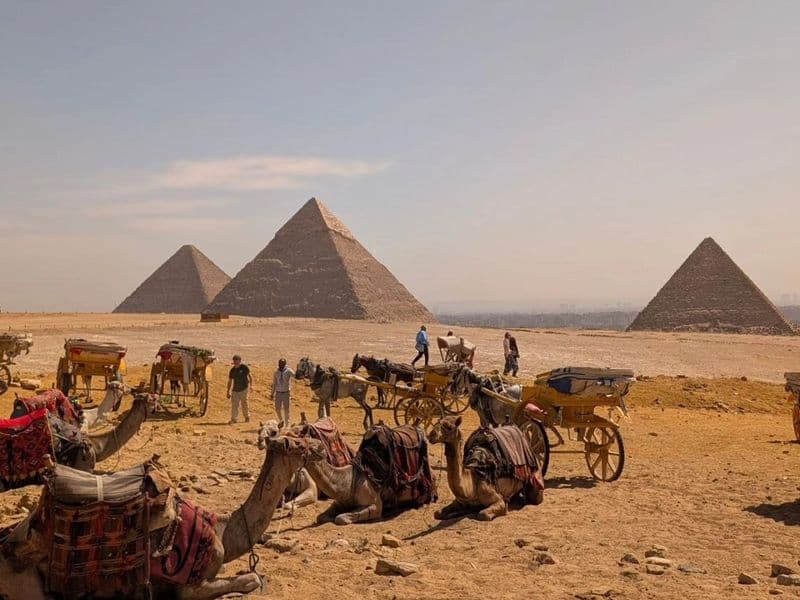 7 days · Package
7 Day Cairo and Nile Cruise by Flight
From $1,255 per person
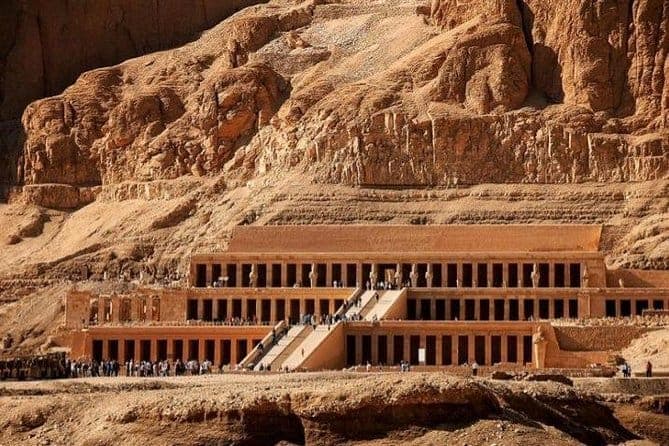 8 days · Package
8 Days Cairo, Nile Cruise & Abu Simbel package
From $1,200 per person
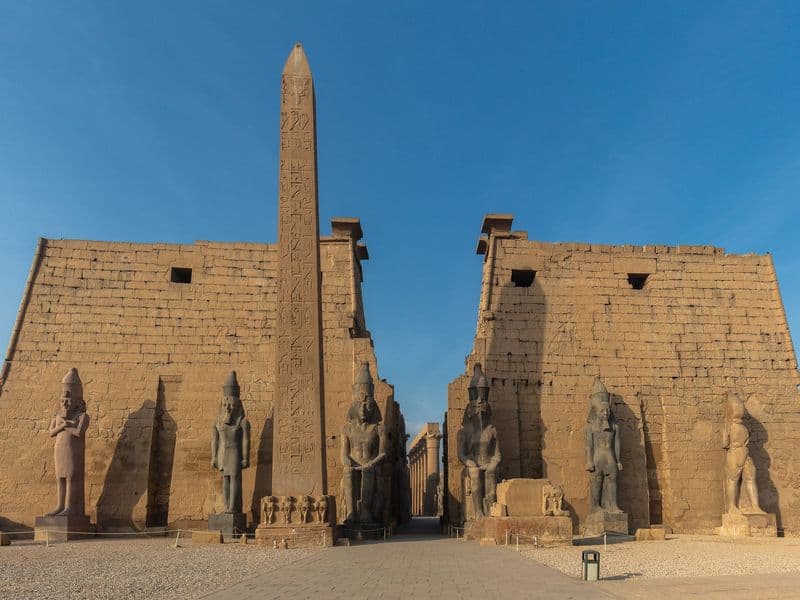 12 days · Package
12 Days Egypt Vacation Package
From $1,975 per person
Want this planned for you?
Tell us your dates and what you love. We are available 24/7.