Visiting Egypt with Limited Mobility: An Honest Guide for Seniors
How much walking each famous site really involves, which ones are easy and which are hard, and how to plan a trip that is comfortable if you use a cane, tire easily or simply prefer a slower pace.
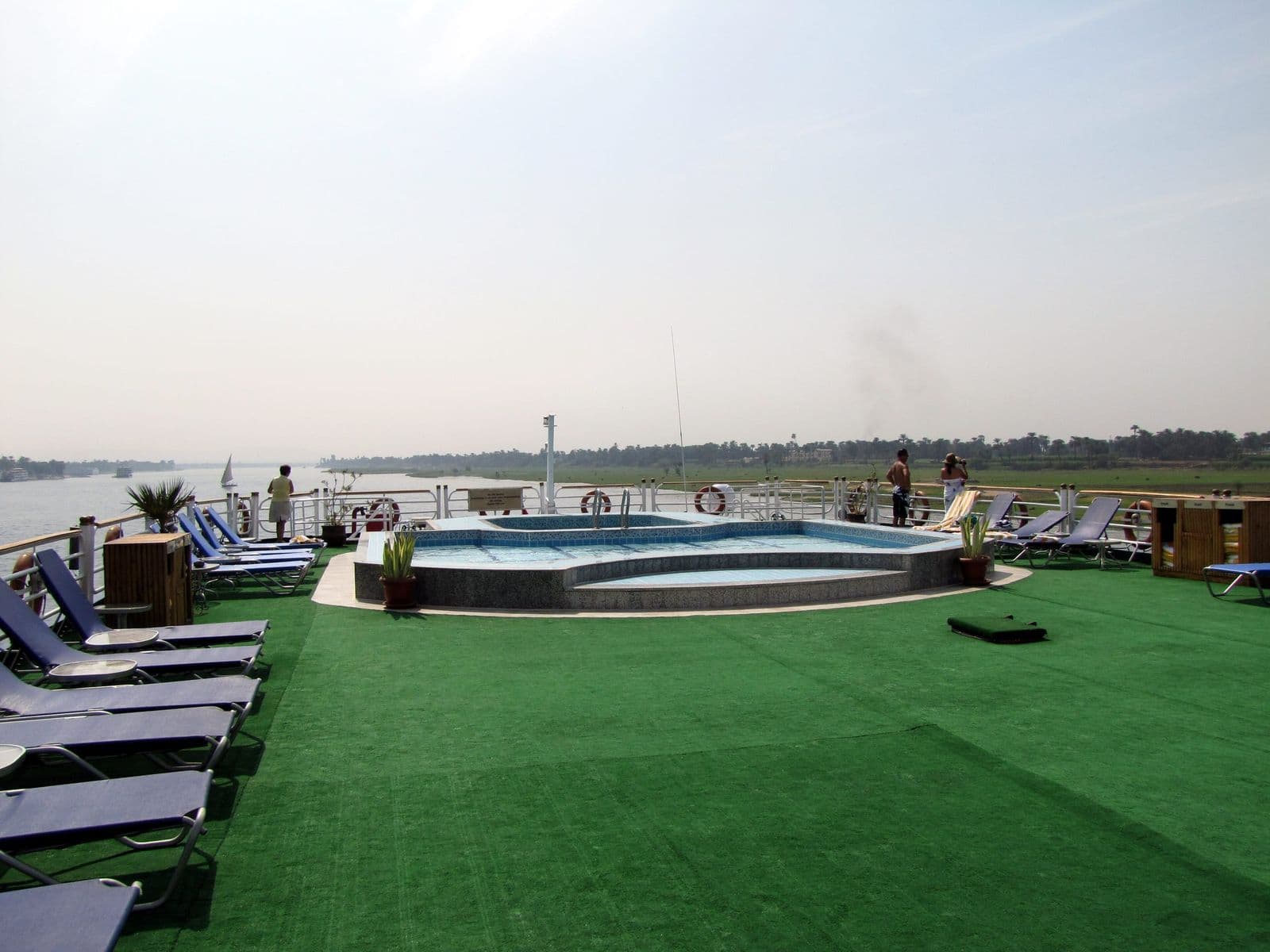
Egypt's monuments were built to impress, not to be easy to walk around. Floors are uneven, shade is scarce and distances are longer than they look in photographs. Even so, many travelers in their sixties, seventies and beyond see all of it in comfort, because the trip was planned around what they could do. This guide gives you a plain, site-by-site picture so you know what to expect.
It is general advice, not medical advice. If you have a health condition, talk to your doctor before you book.
What makes Egypt tiring, and how to plan around it
Three things wear people out: heat, standing, and uneven ground. A good plan deals with each.
- Heat: visit outdoor sites early in the morning, rest after lunch, and travel between October and April if you can. See the best time to visit Egypt.
- Standing: a private guide can explain while you sit in the shade, and shorten the talk when you have had enough.
- Uneven ground: closed shoes with good grip matter more than anything else you pack. A folding walking stick or a light folding stool is a great help.
Site by site: how hard is it really?
Cairo and Giza
- The Pyramids of Giza. Moderate. Your vehicle drives between the viewpoints, so you choose how much to walk. The ground is sand and rough stone. Going inside the Great Pyramid means climbing a steep, low passage bent over; skip it if you have knee, back or breathing trouble, or dislike tight spaces. You miss very little.
- The Sphinx. Easy to moderate. A paved approach with some steps and a gentle slope.
- The Grand Egyptian Museum. Easy. Level floors, elevators, a moving walkway beside the Grand Staircase, seats and modern restrooms. The building is large, so plan rest stops. See our museum guide.
- Saqqara. Moderate. Sand and uneven stone, with a short walk to the Step Pyramid. The decorated tombs have a few steps.
- Islamic and Coptic Cairo. Moderate. Old streets with worn paving and some steps. Your vehicle can drop you close to each stop.
Luxor
- Karnak. Easy to moderate. Mostly flat, on packed earth and stone, but very large. You can see the great columned hall, the highlight, with a fairly short walk.
- Luxor Temple. Easy. Compact and mostly level. Lovely in the late afternoon.
- The Valley of the Kings. Moderate to hard. An electric shuttle takes you from the visitor center up to the tombs. Each tomb is a sloping corridor with wooden walkways, ramps and sometimes stairs, and the air inside is warm. Tombs differ a great deal. Some, such as the tomb of Ramesses IV, are short and nearly level, and your guide will choose the gentler ones.
- The Temple of Hatshepsut. Moderate. A shuttle covers the long approach, then there are two wide ramps to climb, in full sun.
- The Colossi of Memnon. Easy. A short stop beside the road.
Aswan and the south
- Philae Temple. Moderate. The temple is on an island. You step down into a small motorboat and up again at the other side, with help from the boatmen. The temple itself is mostly level.
- The High Dam and the Unfinished Obelisk. The dam is an easy stop from the car. The obelisk quarry involves a climb on rock and can be seen from below.
- Abu Simbel. Easy to moderate. A long travel day, by road or by air, then a paved walk of a few minutes around the hill. Electric carts usually run for a small fee. The temples are entered on level ground. See our Abu Simbel guide.
On a Nile cruise
A cruise is one of the most restful ways to see Egypt: you unpack once, and the temples come to you. A few things are worth knowing ahead of time.
- Getting on and off. Ships often moor side by side, so you may walk through the lobbies of other ships and cross short gangways to reach the bank. There are usually steps up the riverbank.
- Elevators. Some ships have them and some do not, and few reach the sun deck. Ask us for a ship with an elevator, or for a cabin on the same deck as the lobby and the dining room.
- Edfu and Kom Ombo. At Edfu the temple is a short ride from the dock, usually by horse carriage; a car can be arranged if you prefer. Kom Ombo is a short walk from the ship, with some steps.
- Dahabiyas. These small sailing boats are quiet and personal with few stairs, but they tie up at the riverbank and you board by a plank with a helping hand.
Our Nile cruise guide explains the ships and routes in detail.
If you use a wheelchair
Be ready for a mixed picture. Modern museums and good hotels are accessible. Ancient sites were not built for wheels: there is sand, gravel, thresholds and steps. Many travelers manage well with a light folding wheelchair and strong, willing help, which your guide and driver will arrange. Vehicles with wheelchair lifts are scarce in Egypt, so ask early. Tell us:
- whether you can walk a few steps or climb into a vehicle with support;
- the width and weight of your chair, and whether it folds;
- what you need in a hotel room, such as a walk-in shower or grab bars.
With honest information we can tell you plainly which sites will work, and which are better enjoyed from a viewpoint.
Ten ways to make the trip easier
- Travel in the cooler months.
- Plan one major site per half day, not three.
- Start early, and be back for lunch and a rest.
- Add a free day in the middle of the trip.
- Fly between cities rather than drive long distances.
- Choose hotels close to the sites, with elevators, and ask for a room near them.
- Have someone meet you inside the airport to help with visas and bags; see our airport transfers.
- Carry water, and drink before you feel thirsty.
- Bring all your medicines in your hand luggage, with a written list.
- Buy travel insurance that covers your health conditions.
Why a private trip matters most here
In a group, the pace is set by the fastest walkers and the bus leaves on schedule. On a private trip the day belongs to you. You can stop when you are tired, skip what does not interest you, sit while others climb, and change tomorrow's plan tonight. For travelers with limited mobility, that freedom is the difference between a trip you survive and a trip you enjoy. We compare the two in Private Tours vs. Group Tours in Egypt.
When you write to us, say plainly what you can and cannot do: how far you can walk, how you manage stairs, how you cope with heat. There is no need to be shy about it. See our Egypt tours for seniors for trips with a gentler pace, and our safety and health guide for more on staying well.
Questions travelers ask
Is Egypt suitable for older travelers?
Yes. Many visitors to Egypt are in their sixties and seventies. With a private guide, a vehicle that drops you close to each entrance, early starts and a sensible pace, the main sights are within reach for most people who can walk short distances.
Can I visit Egypt in a wheelchair?
Partly. The Grand Egyptian Museum and other modern museums are step-free, and large temples such as Karnak and Luxor Temple can be visited with help. Tombs, pyramid interiors and boat landings are difficult or impossible. Tell us exactly what you can manage and we will plan around it.
Do I have to go inside the pyramids or the tombs?
No. Going inside the Great Pyramid is a steep, cramped climb and is entirely optional; the experience of the pyramids is outside. In the Valley of the Kings your guide can choose tombs with gentle, short corridors.
Trips that fit this guide
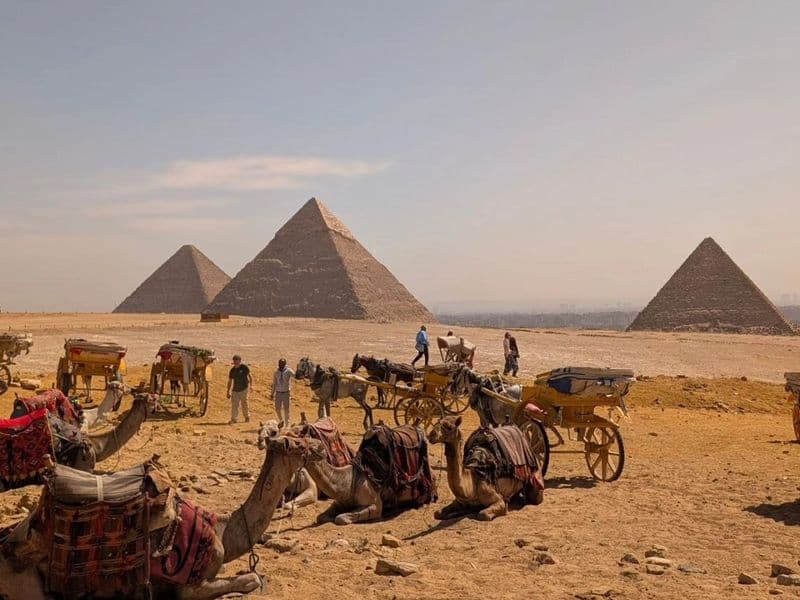 7 days · Package
7 Day Cairo and Nile Cruise by Flight
From $1,255 per person
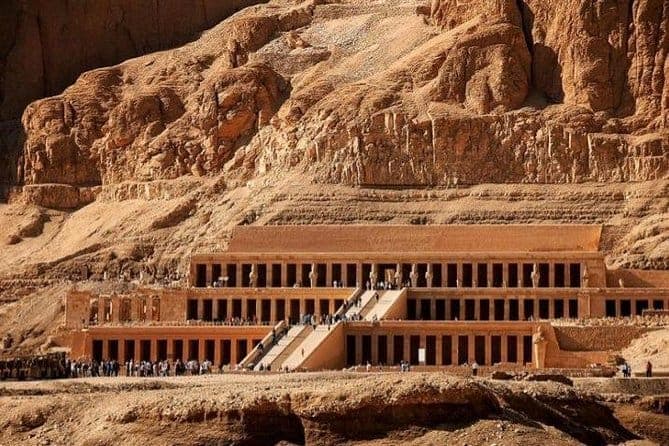 8 days · Package
8 Days Cairo, Nile Cruise & Abu Simbel package
From $1,200 per person
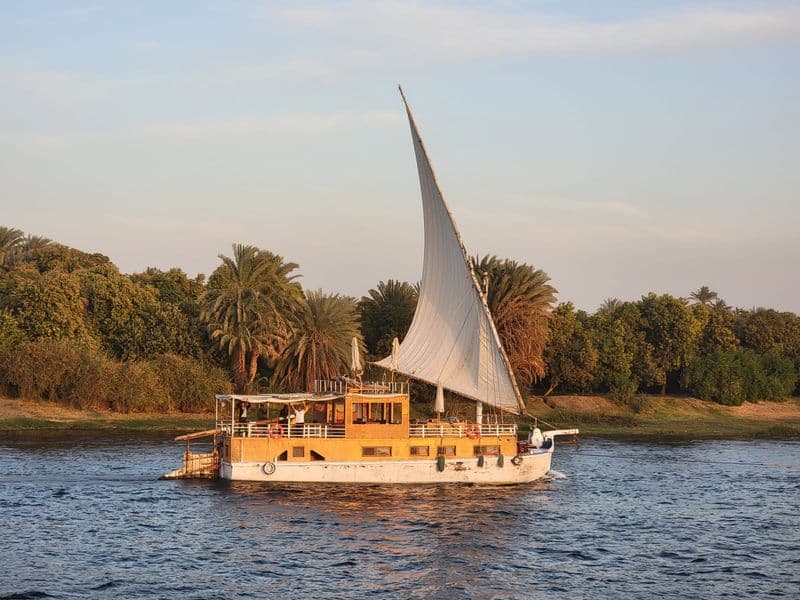 10 days · Package
10 Day Luxury Egypt trip with Private-Style Dahabiya
From $1,350 per person
Want this planned for you?
Tell us your dates and what you love. We are available 24/7.